


Breast Surgery
Breast Surgery: How Do You Decide Which Procedure Is Right for You?
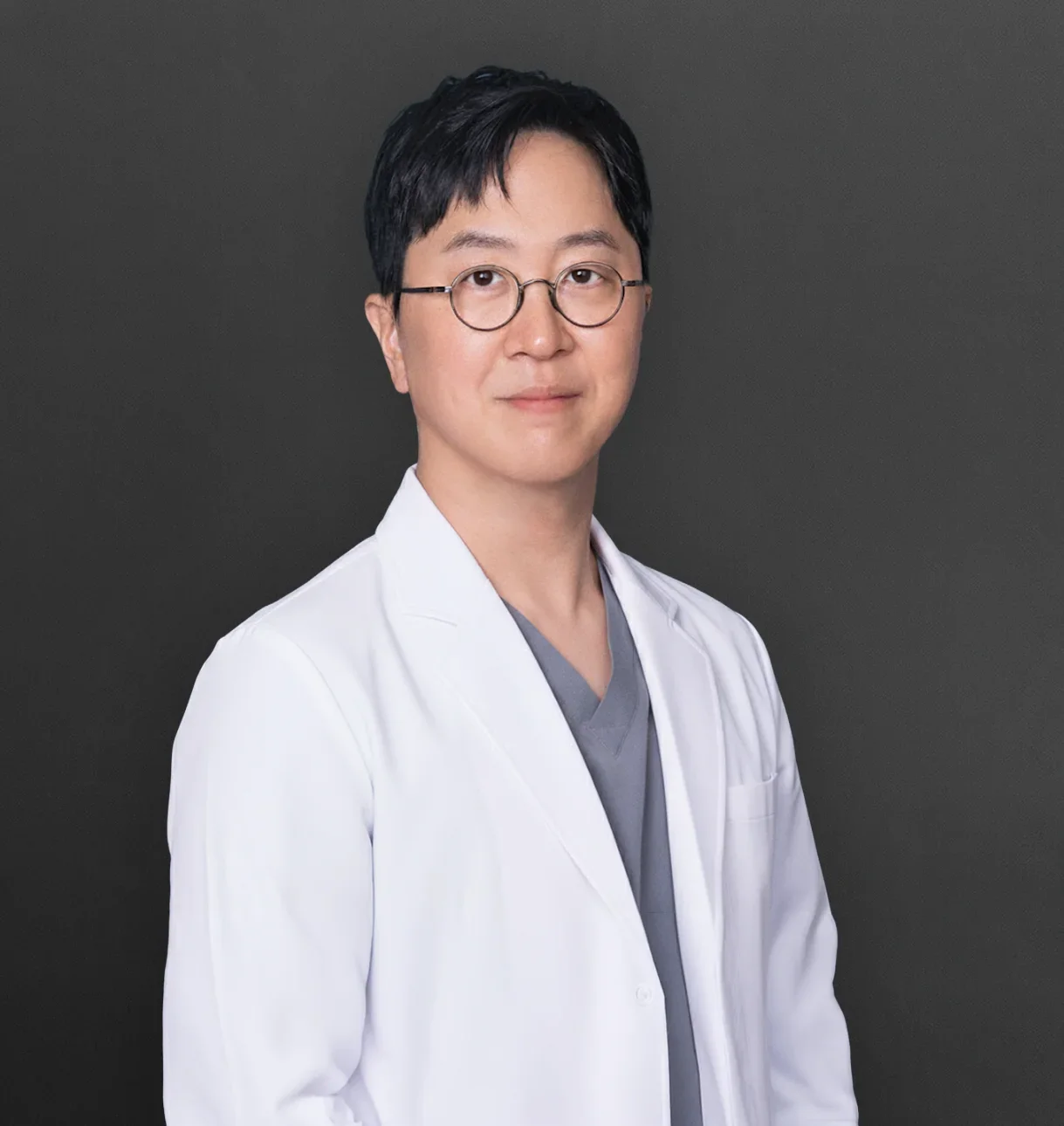
Gangnam Station Exit 5, 1-minute walk · Han Seung-beom, Lead Surgeon / Board-Certified Plastic Surgeon · Amorata Plastic Surgery
Breast surgery does not only mean Breast Augmentation, which adds volume. It is divided by concern: lift surgery to correct sagging, reduction surgery to decrease size, revision surgery to reassess a previous operation, and surgery involving the cleavage. Which surgery is suitable should be decided by first examining chest width, breast width, and the thickness of the skin and soft tissue rather than the size you want, and Amorata Plastic Surgery goes over this process, recovery, and points to watch for one by one at the consultation.
What types of breast surgery are there?
The surgery people have in mind when they search for breast surgery differs from person to person. Some look for it because they lack volume; some have already had surgery and are concerned about the shape or the condition of the implant; others are concerned about sagging or large breasts. If you first identify which category your concern belongs to, you can get the explanations you need at the consultation much more quickly.
Whether a breast is sagging or deflated is distinguished by the positional relationship between the nipple and the inframammary fold. The surgical method differs depending on the degree of sagging, so whether implants alone are enough or a lift is also needed is decided after a direct examination.
- Breast Augmentation (Augmentation Mammaplasty): Surgery that adds volume to the breasts using implants or other materials.
- Revision Breast Surgery (Breast Revision): Surgery that reassesses and plans a new approach when you have concerns about the condition or shape of the implants after a previous operation.
- Breast Lift and Reduction: Surgery that lifts sagging breasts or reduces their size.
- Hybrid Cleavage Augmentation: An approach that plans implants together with fat grafting to the cleavage area.
- Dual Cleavage Surgery: Surgery aimed at the cleavage; the specific method is explained at the consultation.
How is the right breast surgery method for me decided?
When researching surgery, many people first decide the implant size as a cc number. However, the criteria for deciding size are not the number but the chest width, breast width, base diameter, and the range to which the skin can stretch. An implant larger than the body frame can increase the possibility of problems such as asymmetry or rippling, in which the edge of the implant looks folded. For that reason, we believe body analysis should come first, while reflecting the size you want.
Whether the result looks natural is greatly affected by soft tissue thickness and skin elasticity. When there is sufficient original breast tissue and subcutaneous fat, the implant outline tends to be less visible. Conversely, when the tissue is thin, the outline is easier to see, so a combined approach—placing the implant in a plane under the muscle or adding autologous fat grafting—is considered. When the soft tissue is thick, placing the implant in a plane over the muscle to reduce the recovery burden may also be considered. Which method is suitable differs by individual, so it is explained after an examination.
Experiences from acquaintances or online posts are hard to apply as they are, because body shape and tissue conditions differ. Please keep in mind that even with the same surgery name, the plan can differ from person to person.
- Body measurement results such as chest width and breast width
- Skin elasticity and soft tissue thickness (subcutaneous fat and mammary gland tissue)
- Implant placement (over or under the muscle, dual plane, etc.)
- Whether to combine autologous fat grafting
- Degree of sagging and whether a lift is needed
- Post-surgery schedule and care plan
How do the breast surgery process and recovery go?
Breast surgery is mainly performed through an incision in an area where the skin naturally folds, such as the armpit or the inframammary fold. The specific incision location, the layer where the implant is placed, and the anesthesia method differ depending on the type of surgery and body shape, so they are explained at the consultation. After surgery, a compression garment and band are worn for a set period to help the shape settle stably.
For the first 1–2 weeks after surgery, there are restrictions on lifting heavy items or raising your arms high. A schedule that allows rest or working from home during this period is helpful. Light walks, rather than staying lying down, help reduce early swelling and bruising. It usually takes about 3–6 months for the implant to settle into the tissue and for movement to stabilize, and the pace differs by individual.
In the past, firm pressing massage was sometimes performed to widen the space around the implant. Today, excessive external force may damage the implant or surrounding tissue, so vigorous massage is not recommended as a rule. However, if the capsule shows a tendency to harden, light care to help the implant move may be advised, and this is a different concept from the strong massage of the past.
What season is best for breast surgery?
The medical outcome of breast surgery is not directly related to the season. If the operating room has sterile procedures, antibiotic management, and indoor heating and cooling in place, the infection risk does not change greatly simply because it is summer. However, the discomfort felt in daily life differs by season, so many people schedule it in winter.
Before choosing a date, please check three things. First, see whether you can rest or work from home for 1–2 weeks after surgery. Second, see whether it is a period when wearing a compression garment at work or school is not a burden. Third, if there is an event you want to be ready for, such as a wedding, a photo shoot, or a trip, it gives you more leeway to plan to finish the surgery at least 3 months beforehand. Securing enough time to rest matters more than the season.
- Winter: There is less sweat and humidity, so the incision site is easier to care for, and thick clothing covers the compression garment.
- Spring and autumn: Good for light walks, and a thin outer layer easily covers the compression garment.
- Summer: You can use vacation or school break, and keeping indoor cooling and following hygiene care instructions is important.
What are the side effects and precautions of breast surgery?
All surgery carries risk, and breast surgery is no exception. Problems such as those below can occur, and whether they occur and to what degree differs depending on the individual's constitution, the type of surgery, and aftercare. Some may require additional treatment or revision surgery, so please decide after hearing a full explanation at the pre-surgery consultation.
If you plan to give birth or breastfeed, please tell us in advance. The implant is placed not within the mammary gland tissue that produces breast milk but under the pectoralis major or in a dual plane structure, separated from the mammary gland. Some studies have reported somewhat lower rates of maintaining exclusive breastfeeding, but it has not been clearly established whether this is a direct effect of the surgery itself.
Implants are not lifelong products. They do not have to be replaced simply because 10 years have passed; the decision is made by looking at their condition, such as whether there is a rupture or severe capsular contracture. The U.S. FDA recommendations advise that, for silicone gel implants, the condition be checked with ultrasound or MRI starting 5–6 years after surgery and then every 2–3 years. This is why regular check-ups after surgery are necessary.
- General surgical risks such as bleeding, hematoma, and infection
- Left-right asymmetry; rippling, in which the edge of the implant looks folded
- Visible implant outline (appears more easily when the tissue is thin)
- Capsular contracture, in which the capsule around the implant hardens
- Implant rupture
- Scarring at the incision site and sensory changes
How Amorata Plastic Surgery conducts breast surgery consultations
Amorata Plastic Surgery is located on the 3rd floor of Square Cube, 28 Seochodae-ro 78-gil, Seocho-gu, Seoul, a 1-minute walk from Gangnam Station Exit 5. Care is provided jointly by Lead Surgeon Han Seung-beom, a board-certified plastic surgeon, and Director So-young Park, a board-certified anesthesiologist and pain specialist. You can also ask questions about anesthesia at the consultation.
At the consultation, we first sort out which direction suits your concern among Breast Augmentation, Revision Breast Surgery, Breast Lift and Reduction, and Cleavage Surgery. Then, based on body measurements and an examination, we explain the surgical method, implant size, and recovery schedule. The size the patient wants is reflected within what is possible, but increasing volume alone without body analysis is not recommended.
The cost varies depending on the type of surgery, whether implants are used, and whether autologous fat grafting is combined, so it is explained at the consultation after an examination. Hours are Mon–Fri 10:00–18:30 and Sat 10:00–16:00, and you can inquire by phone at 02-522-0955.
Frequently Asked Questions
What should I prepare first before breast surgery?
The consultation goes more smoothly if you sort out beforehand what concerns you. You also need to tell us in advance about any medications you are taking, your medical history, and any plans for childbirth or breastfeeding. Activity is restricted for 1–2 weeks after surgery, so please also check that you have a schedule that allows you to rest.
When can I return to daily life after breast surgery?
It differs depending on the type of surgery, occupation, and recovery speed, so it is hard to give a single answer. In general, for the first 1–2 weeks after surgery you need to be careful about lifting heavy items or raising your arms high. The timing of return that suits the intensity of your work is explained at the consultation after an examination.
How much does breast surgery cost?
The cost varies depending on the type of surgery, whether implants are used, and whether autologous fat grafting is combined. Even for the same breast surgery, the composition differs according to body shape and plan, so it is explained at the consultation after an examination.
Does breast surgery have to be done in winter?
No. The result of breast surgery is not directly related to the season. Many people prefer winter simply because there is less worry about sweat and it is easy to cover the compression garment with clothing. Whether it is a time when you can rest enough matters more than the season.
Does breast surgery make breastfeeding difficult?
The implant is placed not within the mammary gland tissue but under the pectoralis major or in a dual plane structure, separated from the mammary gland. Some studies have reported somewhat lower rates of maintaining exclusive breastfeeding, but it is not clear whether the surgery is the direct cause. If you plan to give birth, please tell us at the consultation in advance.
Do breast implants have to be replaced every 10 years?
Replacement is not decided by time alone. It is decided by looking at the condition of the implant for abnormalities such as rupture or severe capsular contracture. However, regular check-ups are needed even after time has passed, and the timing of check-ups is explained at the consultation.
I'm worried that it might look artificial after breast surgery.
It is not determined by the type of implant alone; it is affected by soft tissue thickness, skin elasticity, and the size chosen. When the tissue is thin, the outline is easier to see, so the implant position may be considered or autologous fat grafting may be planned together. Results differ from person to person, so the range of what is possible is explained after an examination.
Amorata Plastic Surgery Clinic Information
- Address
- 3rd Floor, Square Cube, 28 Seochodae-ro 78-gil, Seocho-gu, Seoul
- Directions
- 1-minute walk from Gangnam Station Exit 5
- Phone
- 02-522-0955
- Office Hours
- Mon–Fri 10:00–18:30 · Sat 10:00–16:00
- Medical Team
- Lead Surgeon Han Seung-beom (Board-Certified Plastic Surgeon) · Director So-young Park (Board-Certified Anesthesiologist and Pain Specialist)
Concerns About Breast Surgery? Start Your Consultation with a Body Type Assessment
The type of surgery, recovery schedule, and cost are explained individually after an examination, so please call 02-522-0955.
Request a ConsultationThis page provides general medical information. Results of procedures and surgery, the recovery process, and side effects may vary from person to person, so please decide after consulting with the medical team.