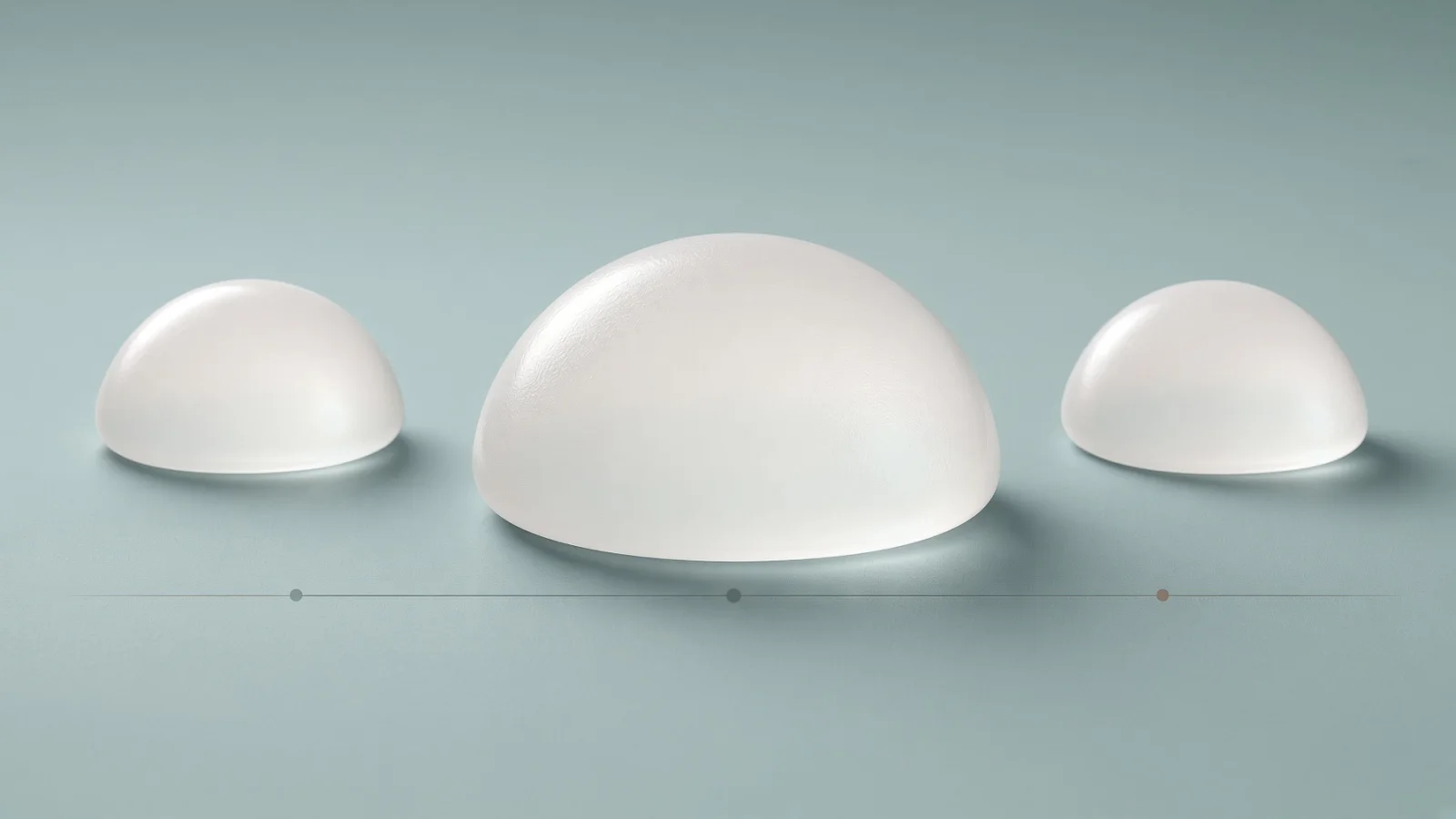


During a breast augmentation consultation, one of the very first questions patients ask
is invariably, "How many cc should I get for a natural and beautiful look?"
This is often because patients visit the clinic with a specific volume (cc) already in mind,
having gathered reference points from online communities or reviews from acquaintances.
However, in clinical practice, implant volume (cc) is
a secondary metric determined at the very last stage.
The fundamental indicators that must precede surgical planning are
the patient's chest width, breast base width (breast pocket), and the thickness and elasticity of the soft tissue (skin).
Clinical Issues That Arise When Selecting Implants Regardless of Body Proportions
Selecting an implant without considering the patient's anatomical limits leads to both aesthetic and functional problems.
- Inserting an excessively large implant in a slim body frame
When soft tissue is thin, rippling may occur,
causing the edges of the implant to show externally or ripples to be felt to the touch.
Additionally, excessive tension can cause persistent postoperative pain or
discomfort during movement, and in the long term, the weight load increases
the risk of skin sagging or bottoming out.
- Inserting an overly small implant in a broader body frame
Conversely, selecting an implant that is too small relative to the chest cage
results in an unbalanced body proportion, an empty-looking cleavage,
and an aesthetically disappointing shape that does not harmonize with the frame.
Why Implant Diameter (Width) Must Match the Chest Frame
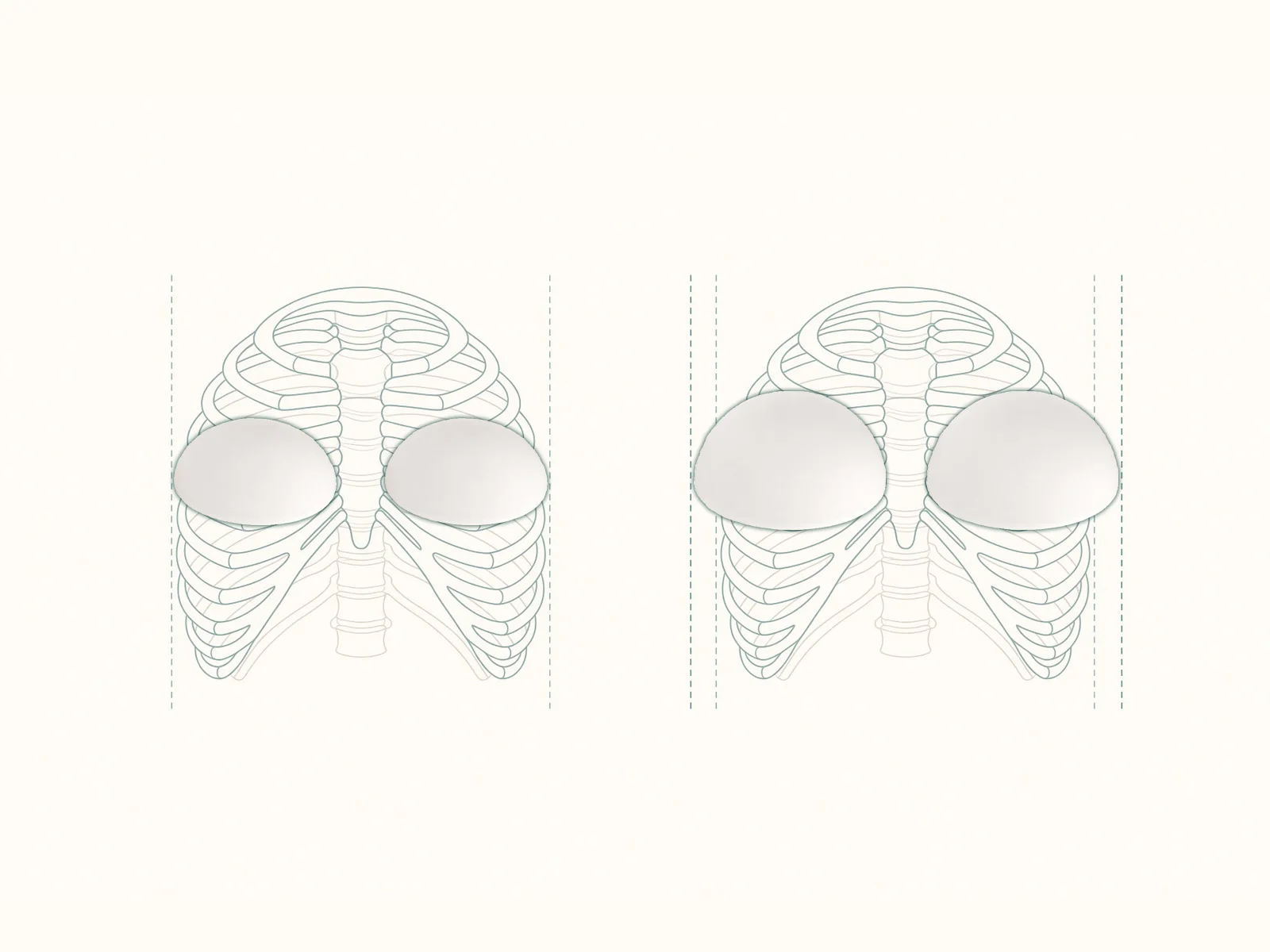
The success of surgical design depends on how organically
the implant diameter matches the patient's chest width.
Because the skeletal frame itself cannot be artificially altered,
the fundamental principle is to calculate the implant's diameter, height, and projection
based on precisely measured chest and breast widths.
When necessary, fat grafting is performed concurrently in areas
with thin subcutaneous fat layers to smoothly soften the transitions.
Does this mean inserting an implant that exceeds the chest width is completely impossible?
Not necessarily.
If a patient prioritizes volume enlargement above all else,
it is possible provided they clearly understand and consent to the potential risks,
and the operating surgeon has the safe dissection design
and post-care protocols in place to address them.
In other words, rather than reckless enlargement, it must be 'enlargement with accurately calculated physical boundary limits.'
Essential Recovery Protocols When Placing Large Implants
Patients whose skin has already stretched due to childbirth, breastfeeding, or weight fluctuations
may experience relatively less discomfort;
however, once an implant is placed,
the skin still requires time to adapt to its size.
Therefore, a process where soft tissues safely stretch and stabilize
as they adapt to the implant volume is essential.
- Compression and Stabilization
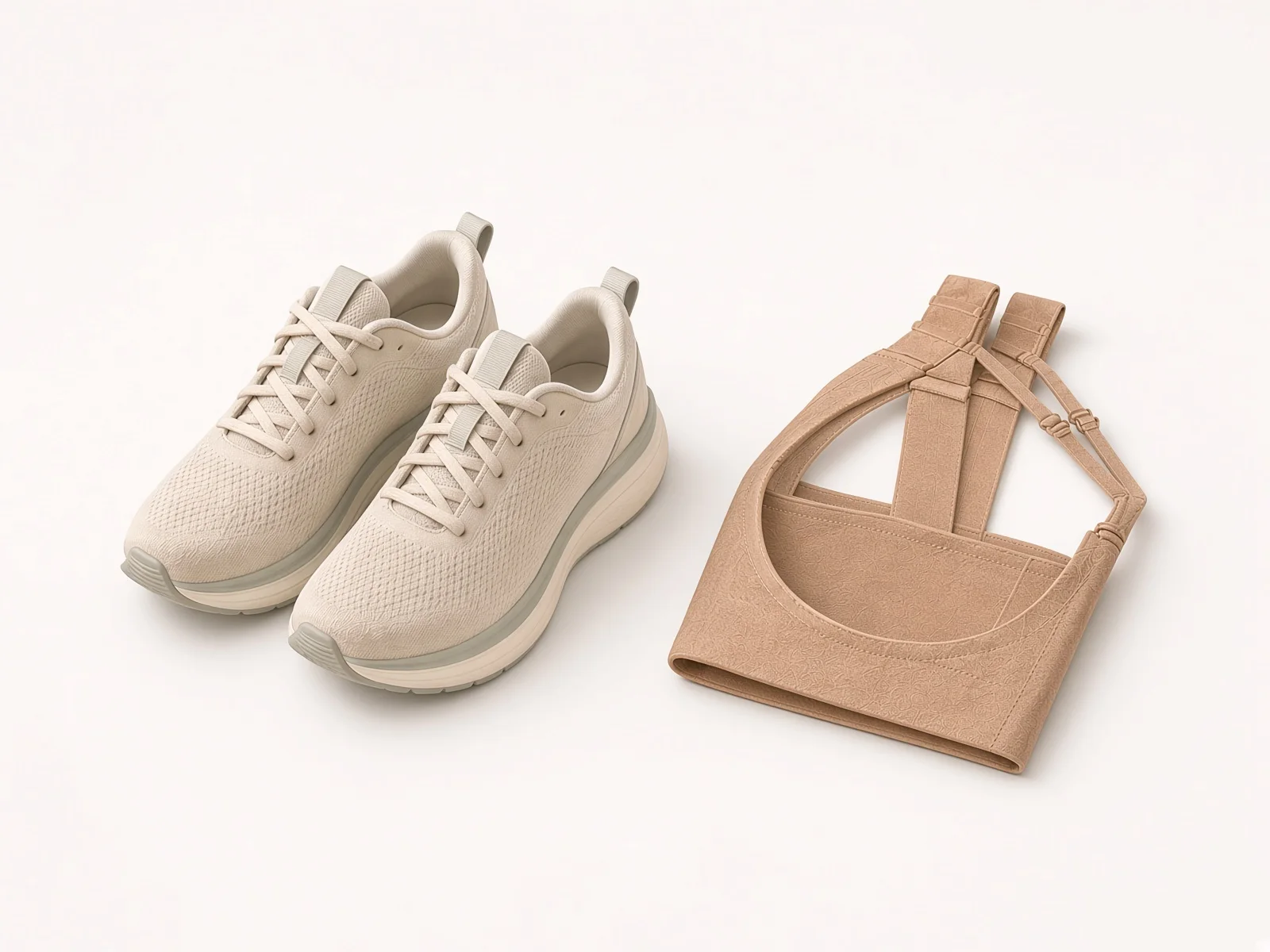
Wearing an appropriate surgical support bra during the early recovery phase
prevents superior, inferior, and lateral displacement of the implant and helps stabilize the skin.
- Activity Restriction
Weight training, swimming, and golf, which exert excessive stress on the pectoralis major and surrounding muscles,
should be restricted for a minimum period,
focusing on light walking to help reduce swelling.
- Tissue Recovery Support
When placing an implant that is large relative to the body frame, tissue tension increases;
therefore, combining treatments such as HBOT (Hyperbaric Oxygen Therapy),
which aids tissue oxygenation and swelling reduction, is highly effective.
In Conclusion: Criteria You Must Check Before Surgery
For a successful breast augmentation, please ensure the following three points:
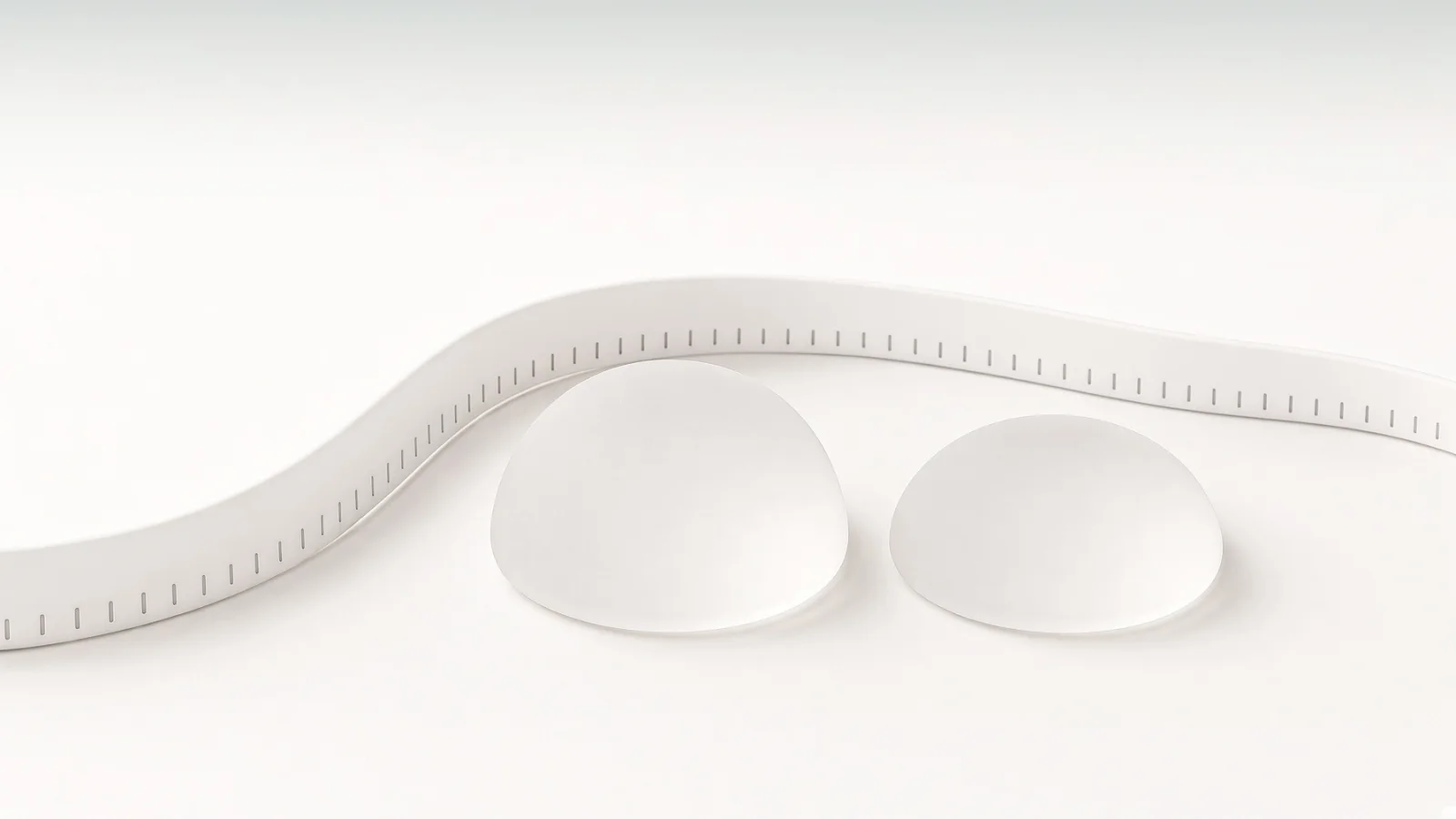
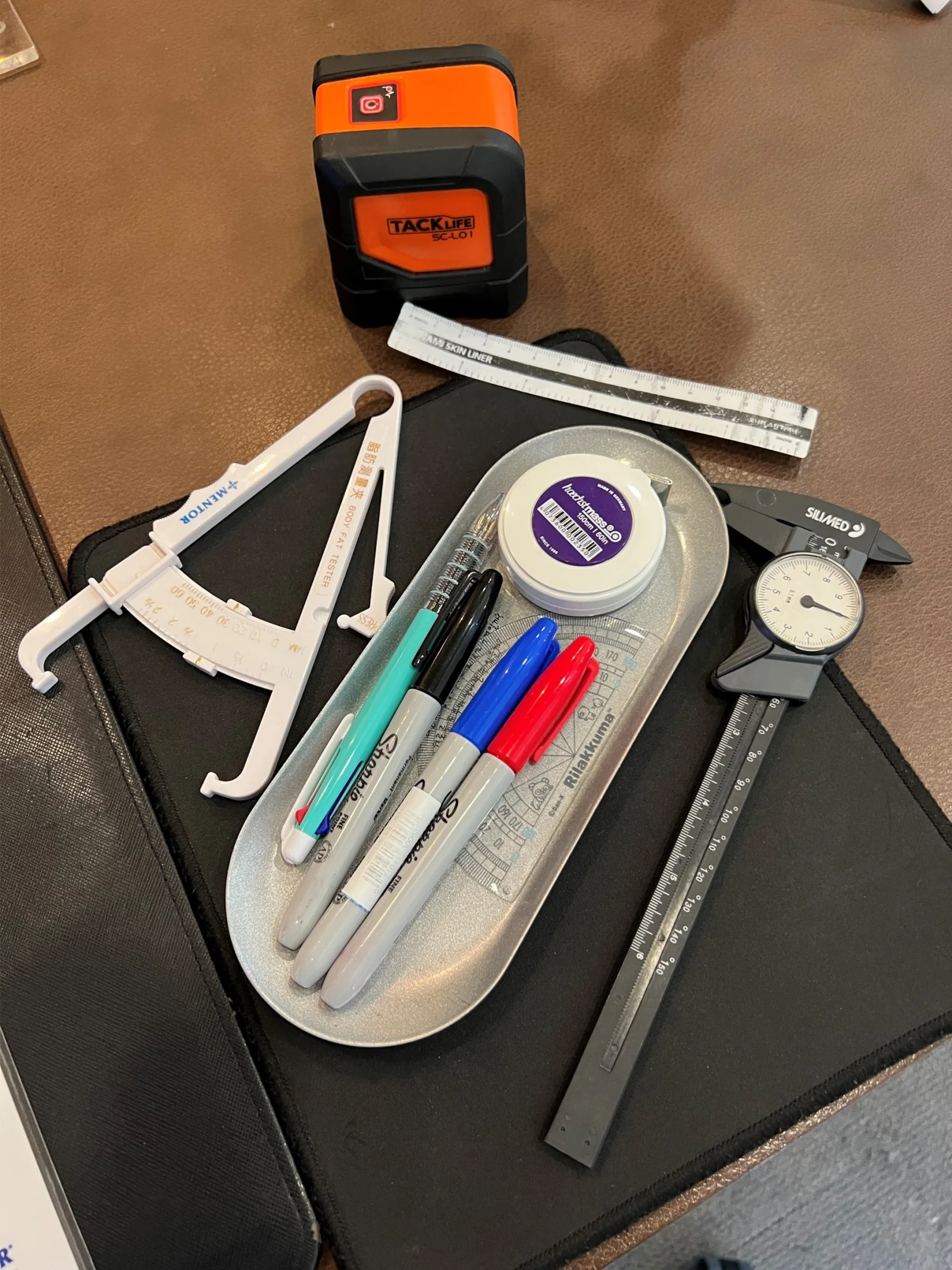
- Does the consultation involve precise measurements of chest and breast width and skin thickness using a measuring tape, with explanations provided in clear numbers?
- Does the surgeon candidly address the structural issues that your desired size might cause given your skin thickness and chest conditions?
- When considering enlargement beyond physical limits, does the clinic present realistic alternatives and recovery management plans rather than unconditional refusal or blind agreement?
The starting point of breast surgery lies not in an abstract number like volume (cc),
but in the 'measuring tape' that accurately evaluates each patient's unique anatomy.
Related procedure