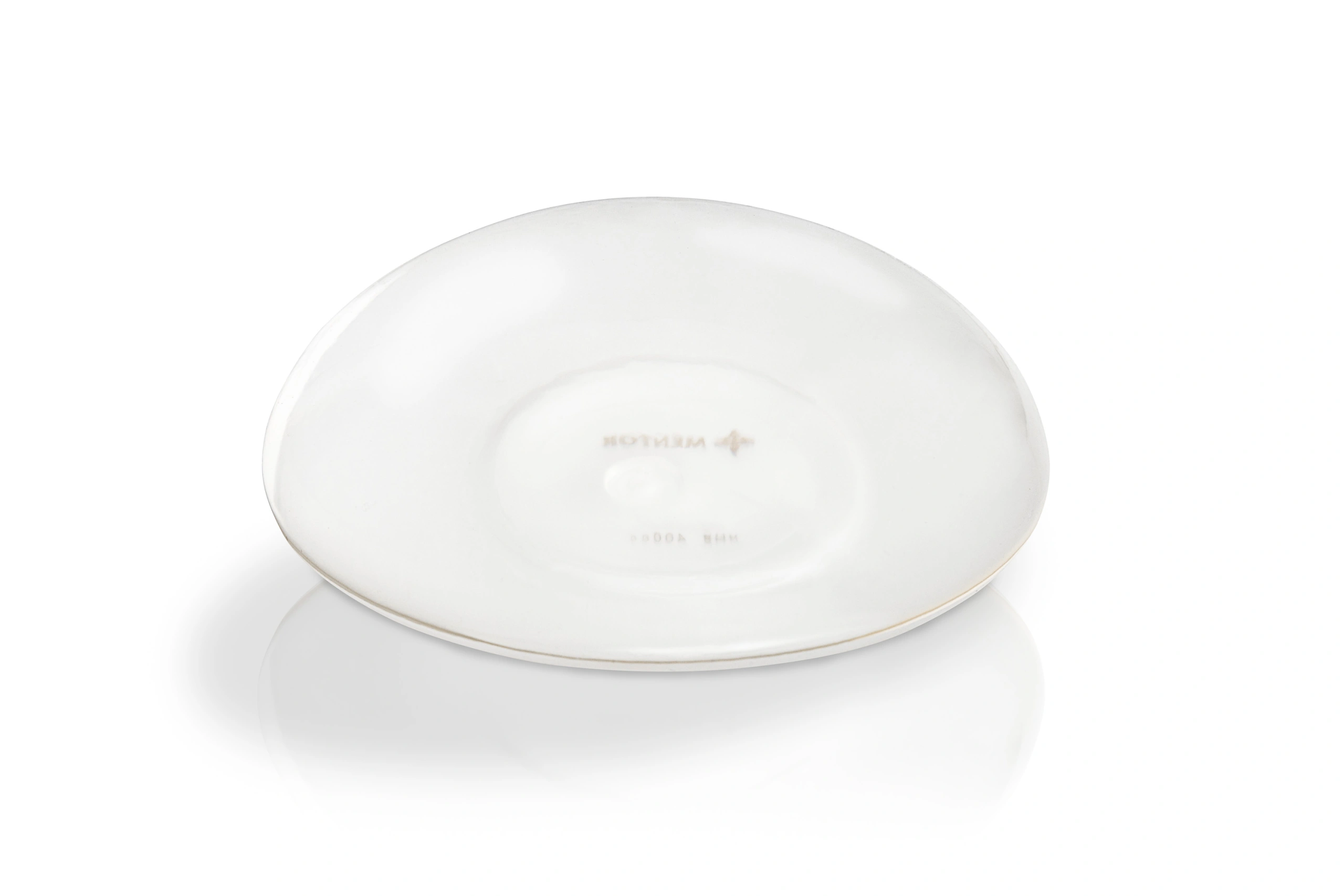


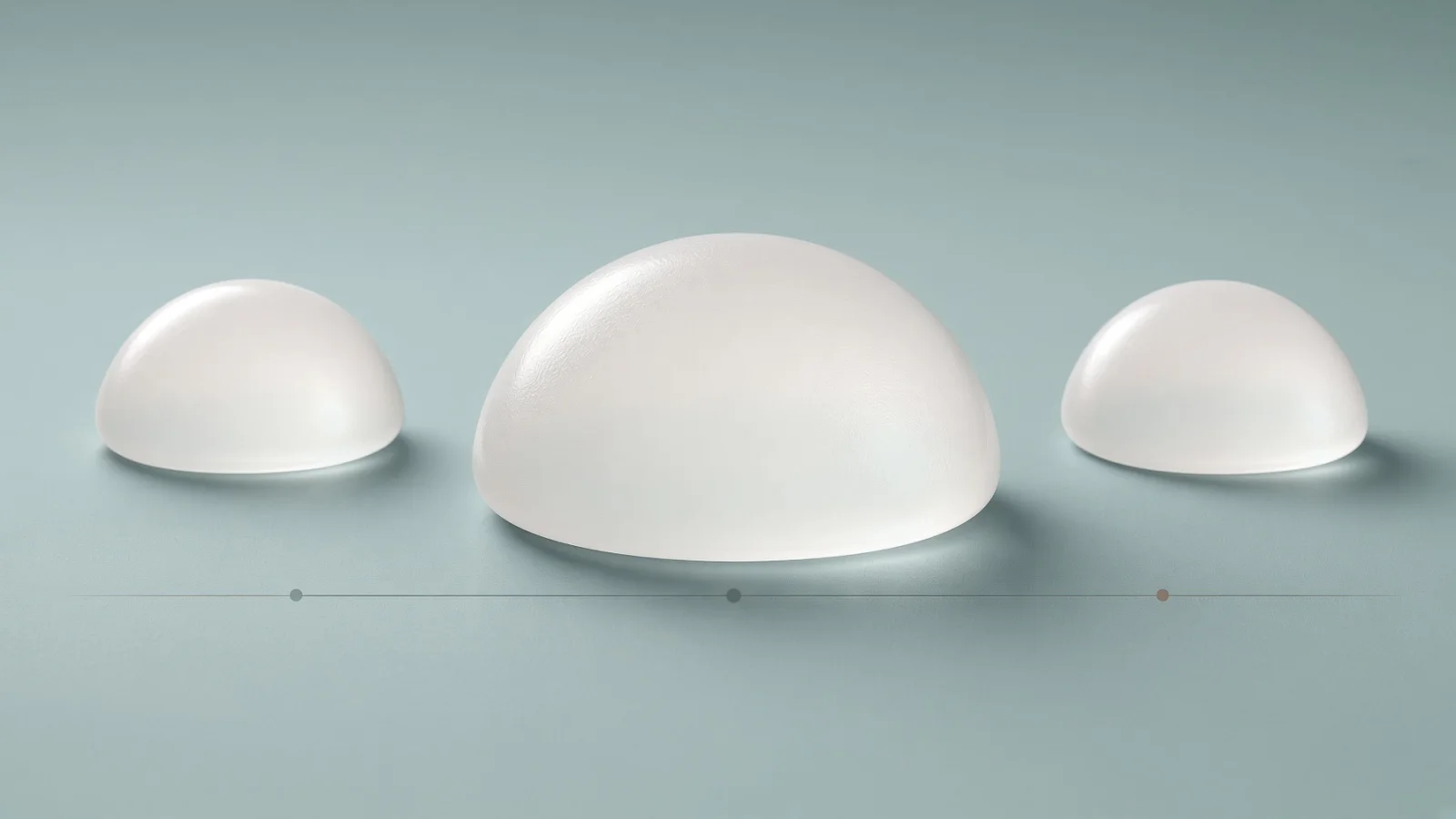
Breast implants have new releases, too.
However, unlike smartphones, new products do not come out every year.
This is because bringing a new implant to market requires years of research and regulatory approval.
That is why the news of a new product is a major event in plastic surgery.
The year 2026 was particularly full of such news,
and the range of implant choices is expected to expand even further in 2027.
Therefore, before choosing an implant, there is something you need to consider:
Is a newer implant necessarily the right implant for you?
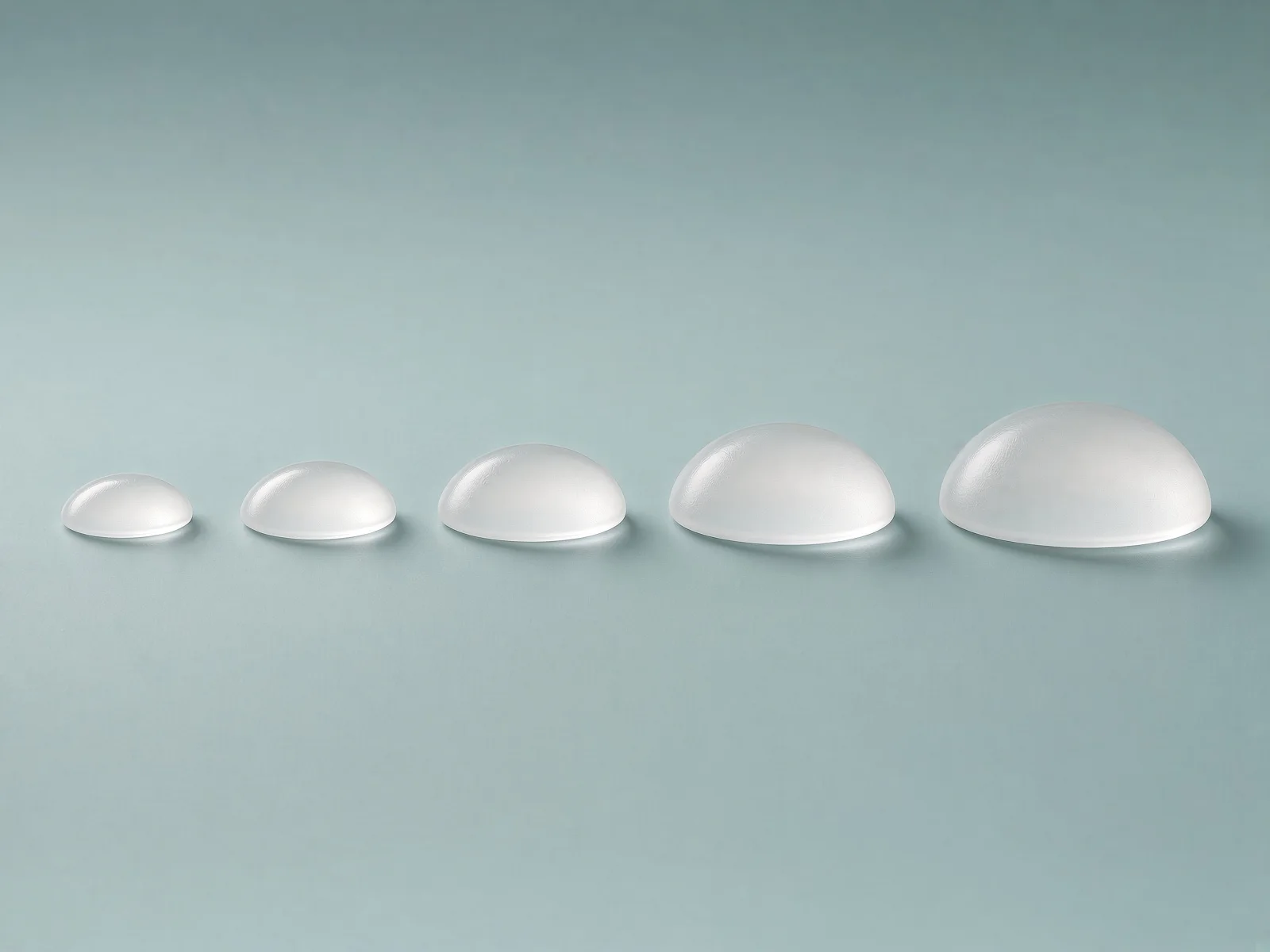
Today, we will walk you through everything from recent releases
to products launched in 2026 and upcoming news for 2027.
Mentor Boost (2023): What changed?
To understand the current trends, we must look at the preceding generation.
This is Mentor's Boost, launched in Korea in 2023.
Its core characteristic can be summarized in one word: "elastic cohesion."
By increasing the molecular cross-linking of the silicone gel,
it achieved a firm, springy texture rather than an overly soft, fluid feel.
Another key improvement was addressing rippling—
the wave-like wrinkling that can occur on the implant surface.
Why are these wrinkles an issue?
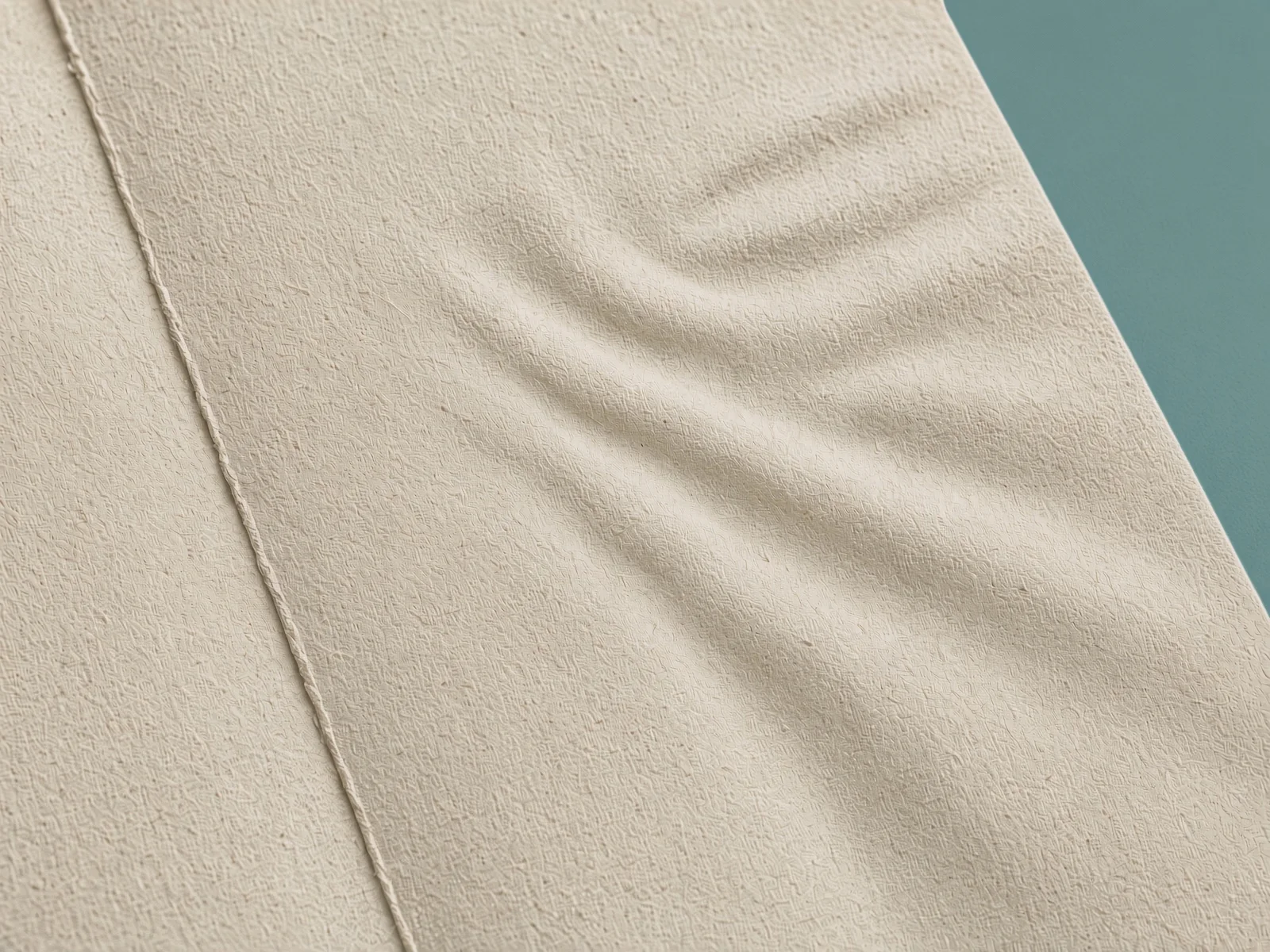
If you repeatedly fold and unfold a piece of paper along the same line, it eventually tears.
Similarly, when an implant surface experiences repeated creasing and friction, it can lead to wear and potentially become a cause of rupture.
Boost was designed with structural adjustments to minimize these folds.
However, this presents a classic dilemma:
trying to eliminate wrinkles often makes an implant feel stiff.
Boost is significant because it managed to reduce rippling while preserving a natural feel.
Because it maintains upper pole fullness without collapsing easily, it has become
a viable option for individuals with hollow or thin upper breast tissue.
It also features finely segmented sizing options
in the Moderate-High projection range.
What is Bouns, the 2026 domestic implant?
In May 2026, HansBiomed launched the domestically developed implant, Bouns (BOUNS).
For some time, there was an absence of domestic breast implants in the market.
During that hiatus, Bouns raised its quality by carefully researching the specifications—such as shell thickness and gel viscosity—of global brands like Motiva and Mentor.
A long-standing dilemma in implant engineering is that the softer the tactile feel,
the more fragile the outer shell tends to become.
How did Bouns address this challenge?
It combined an optimized gel viscosity with a shell engineered for high tensile strength.
It is a product designed to achieve both a soft feel and durable resilience.
In terms of tactile quality, it sits comfortably between Mentor MemoryGel Xtra and Motiva,
offering lower rebound resistance for a very natural feel in my clinical assessment.
What stands out to me most is its tailored design for Asian women's anatomy.
With five projection profiles and granular sizing increments,
it provides broader flexibility when correcting breast asymmetry where the sides differ in size.
It is also a practical option for patients who want to create natural cleavage without excessive enlargement.
With supplies also being utilized for post-mastectomy breast reconstruction at university hospitals,
demand has been so high that private clinics have even experienced product shortages.
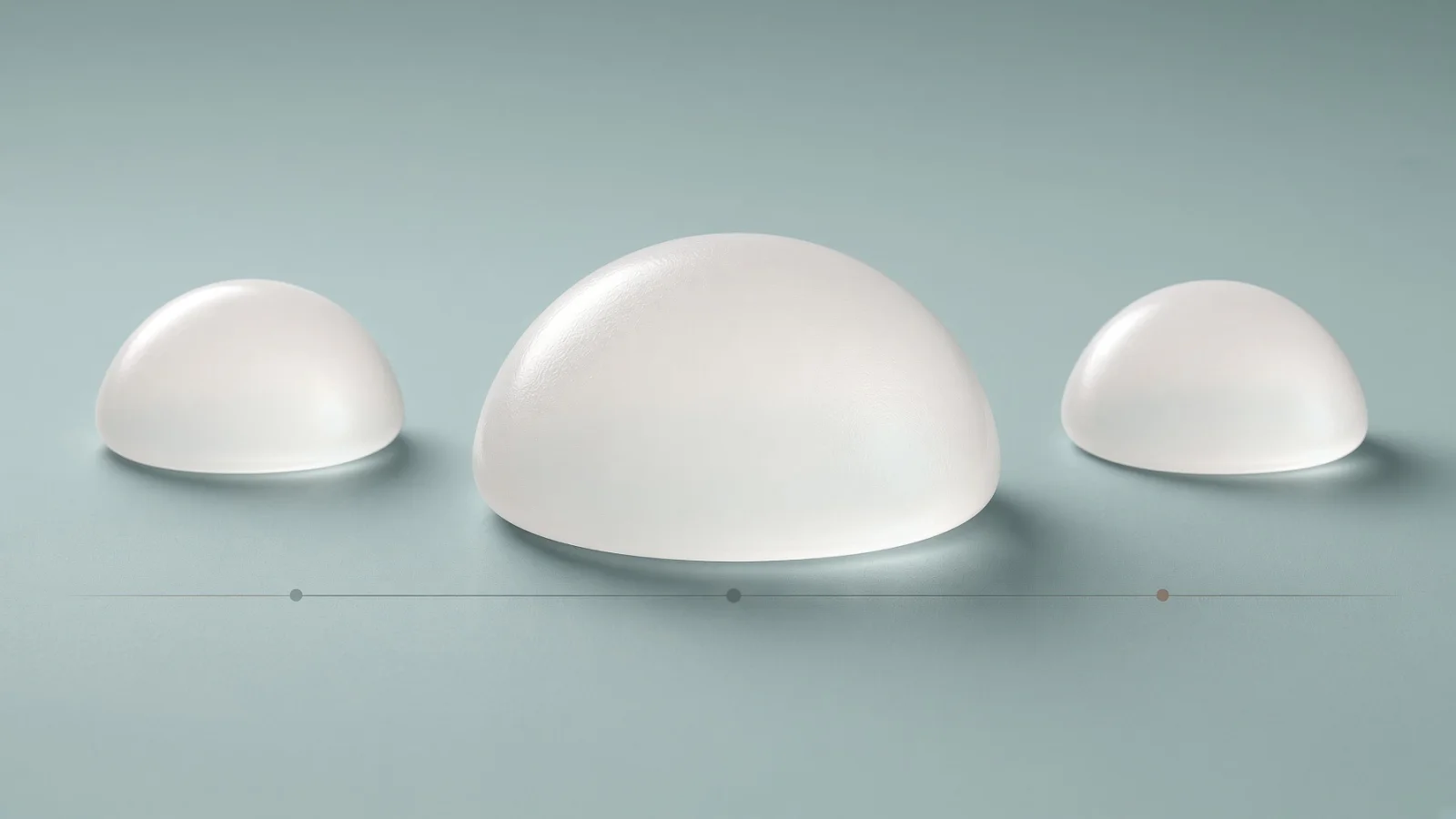
What new breast implants are expected in 2027?
Industry reports indicate that Osstem Implant, widely known for dental implants,
is currently developing its own line of breast implants.
In addition, another domestic implant is preparing for release,
specifically engineered with a specialized surface treatment to reduce capsular contracture—a condition where the capsule around the implant thickens and contracts, causing firmness.
Once clinical outcomes are confirmed after launch, it could offer a valuable new alternative
for patients concerned about capsular contracture.
Internationally, Motiva's next-generation implant
has received positive feedback regarding softness and texture in countries where it has debuted,
with its release in Korea anticipated around 2027.
Is a new breast implant always the best choice?
The implant market is currently moving toward
the principle of "softer, yet more resilient."
However, a newer product is not necessarily the best fit for your body.
Breast implants are not about following trends;
they must align with your rib cage dimensions, soft tissue coverage, and aesthetic goals.
In summary,
news of new implants should simply be viewed as an expansion of available options.
The right choice should always be determined through an in-person consultation with a board-certified specialist who directly evaluates your anatomy.
New breast implants: Two essential points to remember.
First, the breast implant market is moving toward
"softer, yet more resilient" designs.
Second, new does not automatically mean best.
Compatibility with your rib cage, tissue condition, and desired aesthetic must come first.
What to verify before surgery
- Whether the surgeon explains why the recommended implant's gel cohesivity, shell thickness, and projection match your tissue thickness and chest wall width
- If a newly released implant is recommended, whether the surgeon explains both its advantages over existing products for your specific anatomy and any aspects that are still awaiting long-term clinical data
A plastic surgeon specializing in breast surgery should not only understand the technical specifications of new implants, but should first clearly explain the criteria used to select the product best suited to each patient's individual tissue.
Related procedure