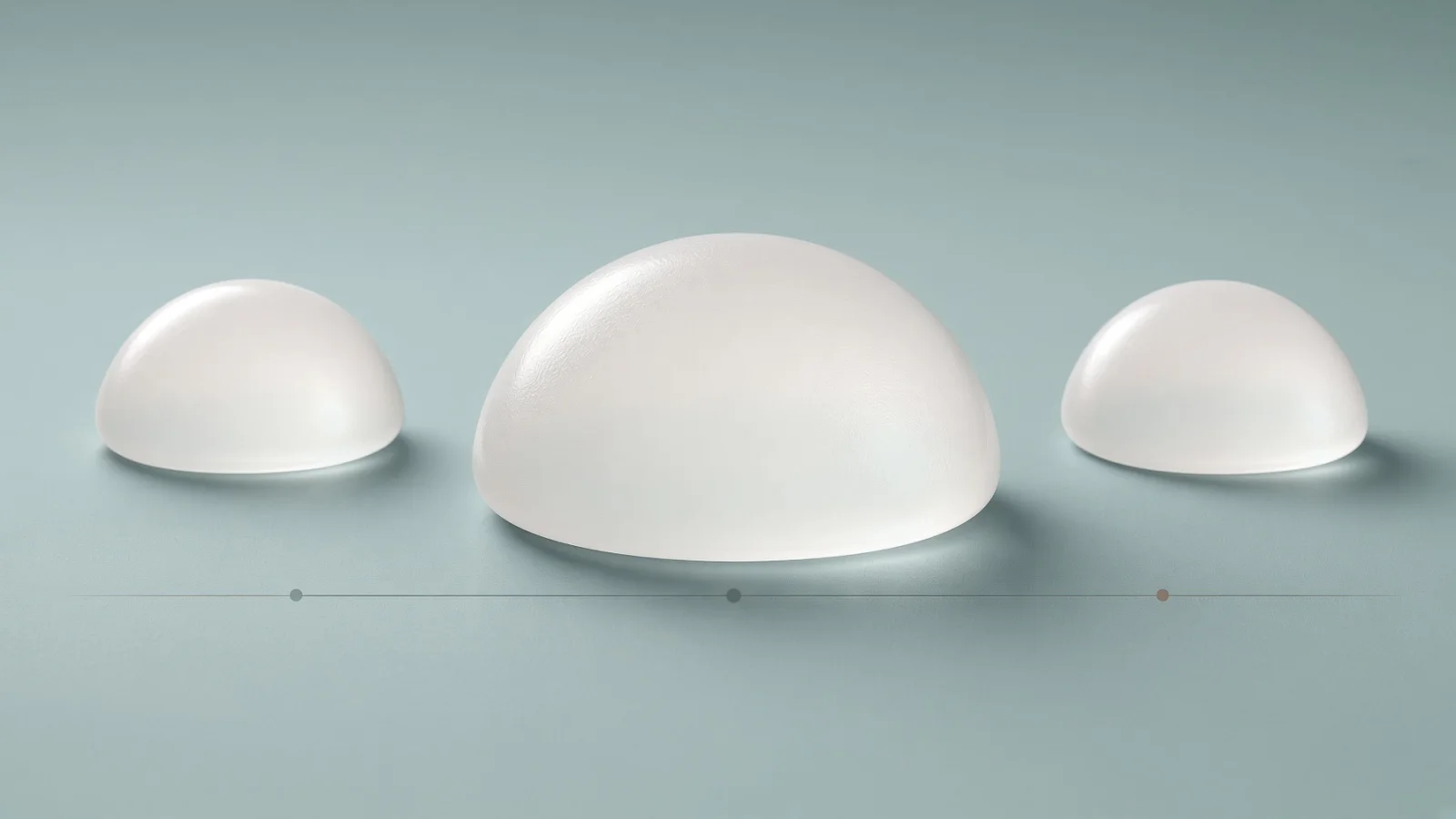


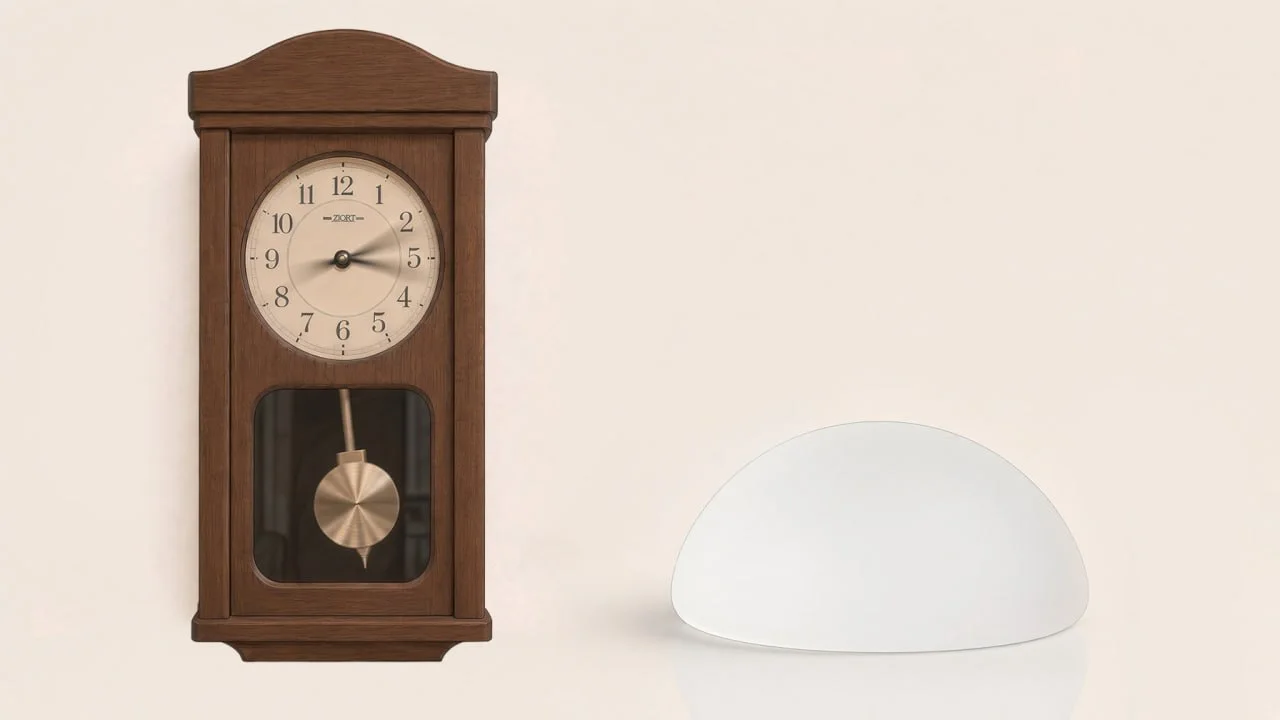
During breast consultations, I am often asked: "Do implants need to be replaced after 10 years?"
In fact, while some patients decide on revision surgery simply because 10 years have passed despite having no particular symptoms,
I also frequently encounter those who dismiss evident signs of abnormality just because it hasn't been 10 years yet.
To start with the conclusion,
the absolute criterion for implant replacement is not the elapsed "time."
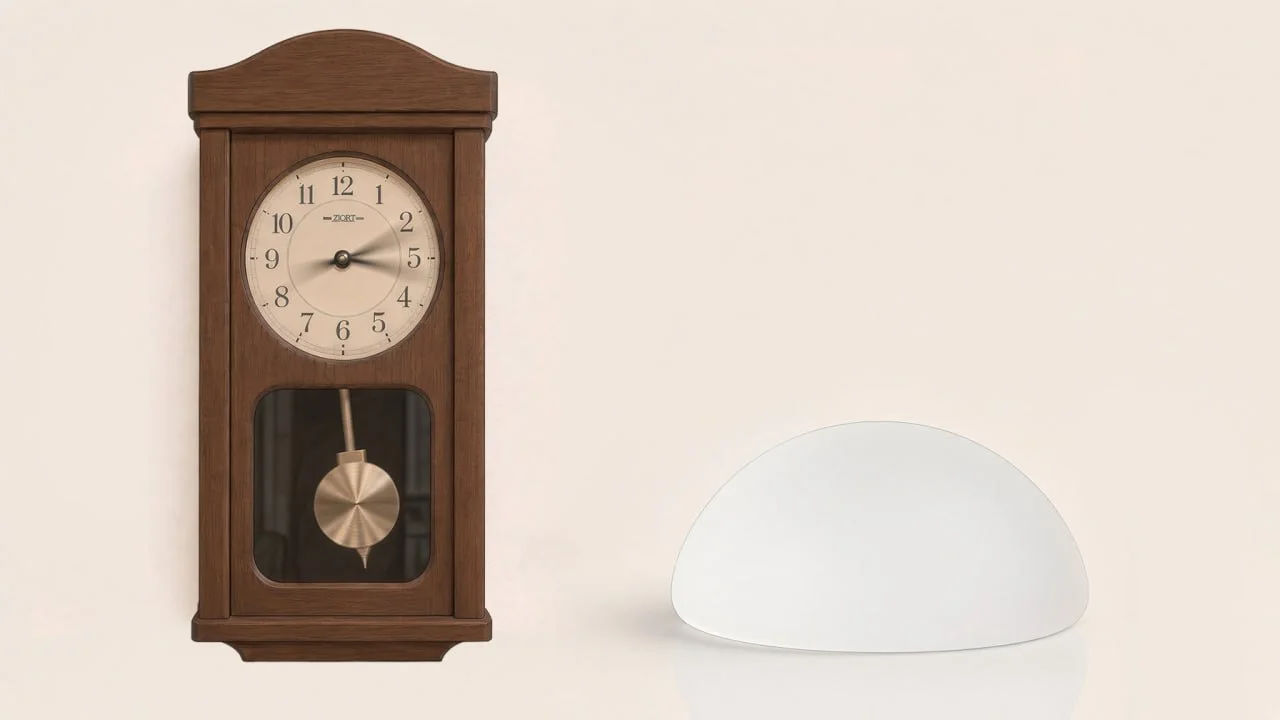
The Background and Misconceptions Behind the "10-Year Replacement Rule"
There is a historical and clinical context behind how the myth of replacing implants every 10 years became established.
Early implants before the 1990s had relatively weaker tensile strength and durability,
and it was true that rupture rates increased significantly around the 10-year mark.
Accordingly, the U.S. Food and Drug Administration (FDA) required manufacturers to notify patients that breast implants are not lifetime devices,
and that the likelihood of requiring revision surgery increases the longer they are in place.
Furthermore, the fact that the official follow-up period for large-scale clinical studies (Core Studies)—conducted to evaluate the long-term safety of implants—was "10 years"
also contributed to the public's misunderstanding.
However, modern implants utilize cohesive silicone gel (Cohesive Gel) and
advanced shell technology, resulting in a dramatic leap in physical durability.
The FDA also advises that because the lifespan of an implant varies depending on individual physiological environments,
there is little clinical justification for replacement in the absence of complications.
The key is not "how many years have passed," but "what is the current condition."
Signs That Warrant Considering Implant Replacement
Here are three main signs that should lead you to consider replacing your implants:
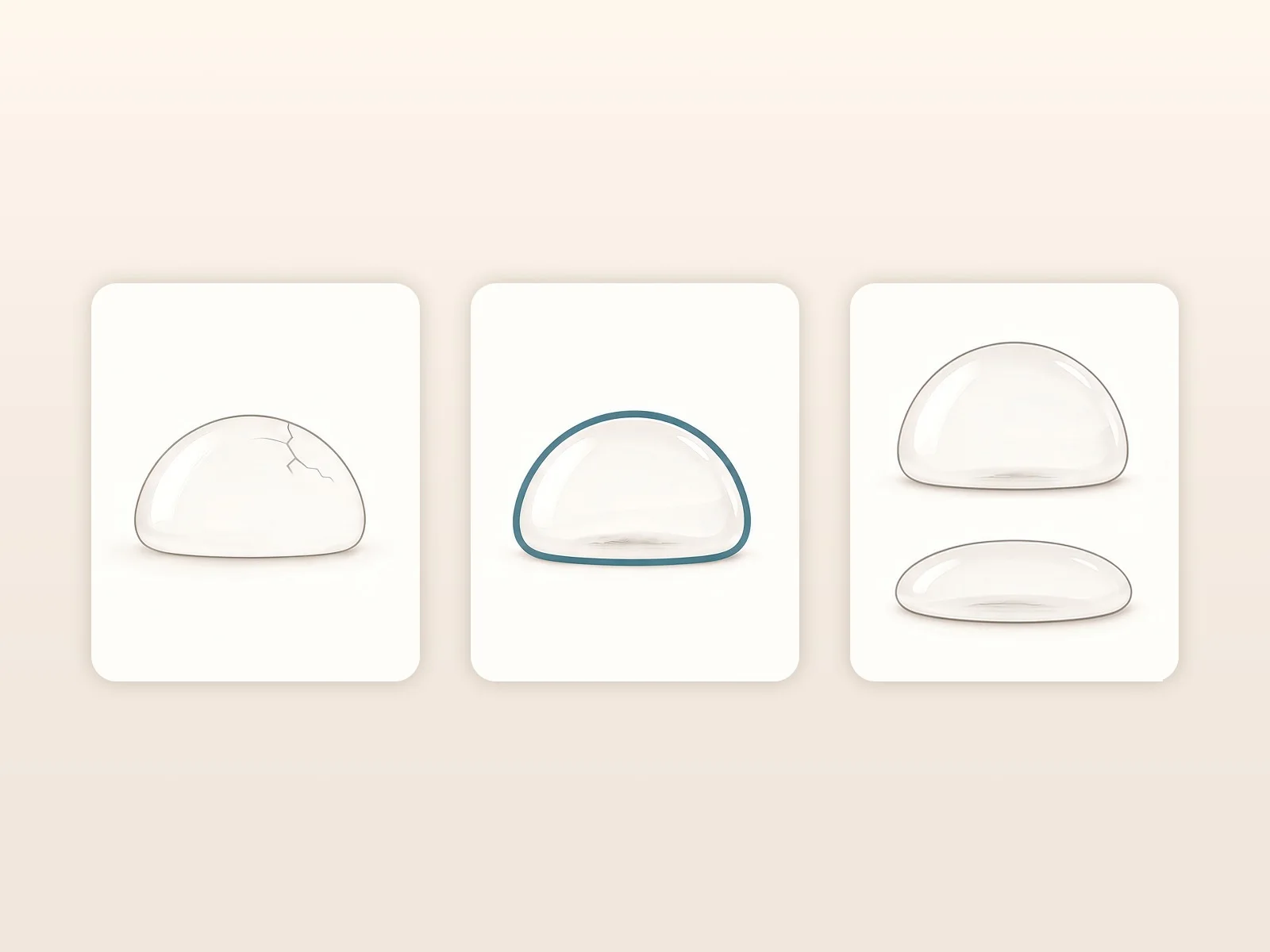
- Rupture
It may surprise many, but it is quite common to experience no pain and notice no change in shape even when an implant ruptures.
Unlike past saline implants, modern cohesive gels possess strong internal bonding, so even if the shell is compromised,
the gel often maintains its shape without leaking into surrounding tissues.
Because there is typically no pain or visible deformity, making it impossible to detect on your own,
diagnostic imaging via high-resolution ultrasound or breast MRI is essential.
- Capsular Contracture
This occurs when the normal fibrous capsule formed around the implant as a foreign-body reaction becomes abnormally thick and contracts.
Because it gradually causes the breast to become firm and can lead to asymmetry or deformity, timely replacement should be planned through early diagnosis.
- Aesthetic Indications and Age-Related Changes
Even without physical defects in the implant, changes in body weight or loss of soft-tissue elasticity due to aging
can result in bottoming out, asymmetry, or rippling (wrinkling).
In addition, patients may consult for replacement simply to achieve a look that better aligns with their evolving aesthetic preferences.
The Importance of Regular Imaging Surveillance Protocols
I am often asked, "Do I still need to visit the clinic if I don't have any symptoms?"
The reason regular check-ups are essential even in the complete absence of subjective symptoms is the "silent rupture" mentioned earlier.
If a ruptured implant is left unaddressed for a prolonged period, it can lead to inflammatory reactions or changes within the capsule,
making early detection critically impactful for the prognosis.
So, how often should you undergo screening?
U.S. FDA guidelines recommend that patients with silicone implants
undergo their first imaging evaluation (ultrasound or MRI) 5 to 6 years post-surgery,
followed by regular check-ups every 2 to 3 years thereafter.
Even without symptoms, I recommend undergoing an ultrasound screening every 2 to 5 years.
When choosing a clinic, directly asking "whether they provide regular postoperative ultrasound surveillance"
serves as an excellent criterion.
Breast Implant Replacement: Just Remember These Two Things
First, the criterion for replacement is not an arbitrary 10-year timeframe, but the current condition of the implant.
Second, even without symptoms, verify the state of your implants through regular ultrasound screenings.
Checklist Before Surgery
- Does the specialist explain the criteria for replacement based on rupture status, capsular condition, and personal satisfaction, rather than a rigid "10-year cycle"?
- Does the clinic offer a systematic postoperative ultrasound protocol and a periodic monitoring system?
- For patients with prior surgery, when was the last time the internal condition was evaluated?
The true measure of a specialist dedicated to breast surgery lies not only in the technical perfection of the procedure itself,
but in their ability to provide a comprehensive, long-term aftercare and regular screening plan
that safeguards the patient's safety for 10, 20 years, and beyond.
Related procedure