


Amorata Plastic Surgery
With Nipple Concerns, Talk About When the Change Began and What Bothers You Before the Shape
A long-standing shape and a newly developed change may call for a different order of consultation.
Nipple concerns vary: size and projection, inversion (drawing inward), discomfort from rubbing against clothing, and more. First, we sort out when and what kind of change occurred, and before discussing cosmetic correction we check whether there is a cause that needs to be looked into. At Amorata, we listen to your current condition, any breastfeeding plans and the change you hope for, and then set the direction of the consultation.
Consult About Nipple Concerns
First, We Distinguish a Recent Change from a Long-Standing Shape
Whether the nipple has always been small, large or inverted, or changed after adulthood, is important information. In particular, for a recently developed inversion, we do not decide on correction based on appearance alone. An examination for other causes within the breast may be needed.
Please tell us when the change began, whether it affects one side or both, and any accompanying symptoms such as pain or discharge. Pregnancy and breastfeeding, weight changes, and any previous breast surgery or procedures are also discussed. Rather than diagnosing yourself by matching your symptoms to online descriptions, please organize what needs to be checked and bring it to your visit.
This page is general guidance for preparing for a cosmetic consultation. It is not material for determining the cause of a newly developed symptom, and depending on the examination findings, we may first advise necessary examinations.
If Size and Friction Discomfort Are Your Main Concerns
In a nipple reduction consultation, we check the projection length, diameter, and any drooping or splitting at the tip. Please tell us not only whether it feels large, but also whether it is uncomfortable when rubbing against undergarments or clothing, and whether its shape changed after childbirth and breastfeeding.
Length and diameter do not decrease in the same way. Depending on the shape and the extent of correction, we discuss the incision location and direction and a plan that preserves sensation and function as much as possible. No single number determines whether surgery is suitable for everyone.
We also evaluate the proportions of the whole breast and areola, and differences between the left and right. For more on the surgical approach, see theNipple Reduction Guide, and confirm after an examination the scope you need and any differences that may remain.
If Inversion Is Your Main Concern
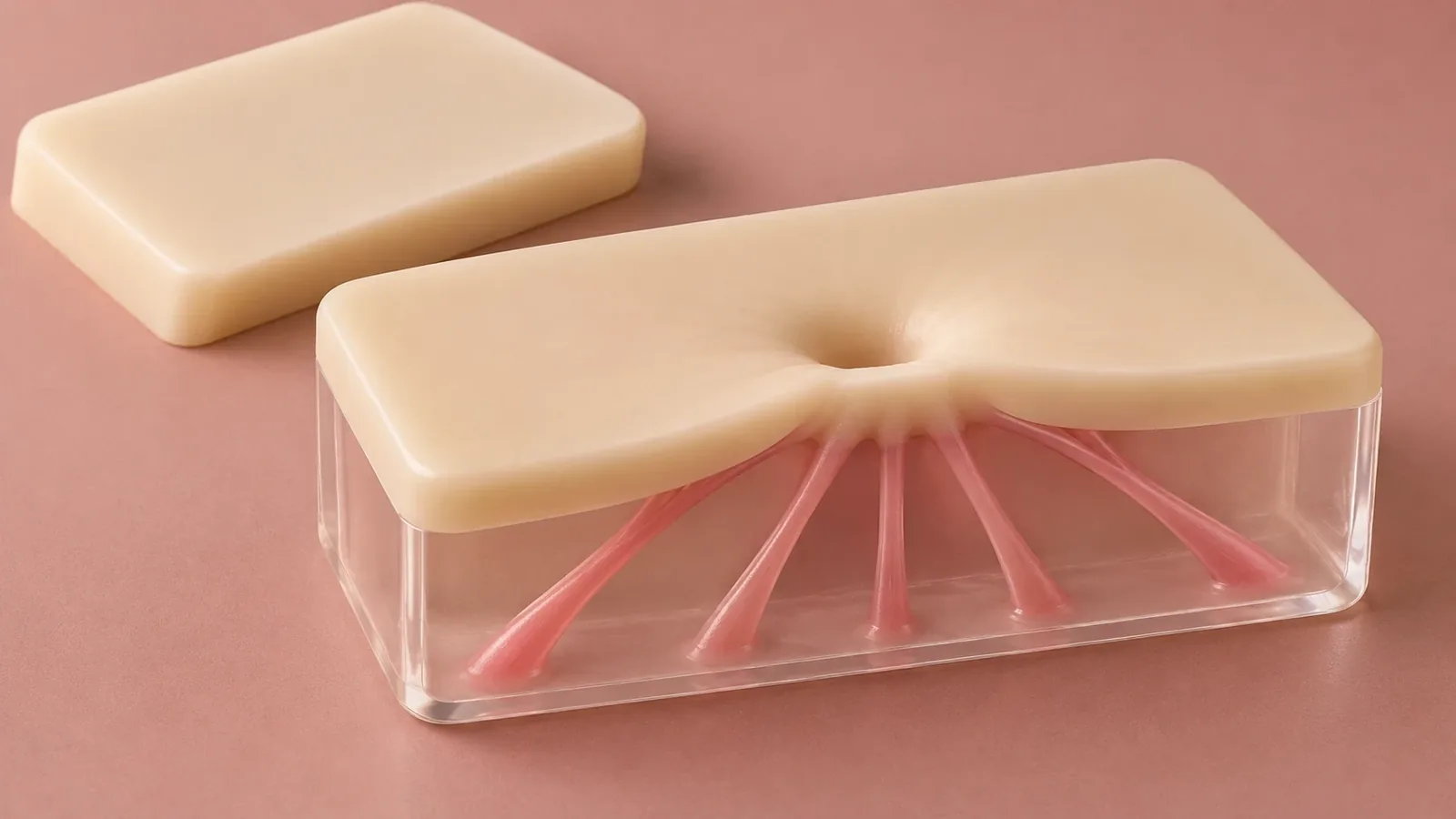
Inversion is evaluated by how the nipple responds when it projects outward, how readily it retracts again, and the condition of the tissue beneath. The consultation differs for a nipple that comes out easily and stays out for a while, one that retracts right away, and one that is difficult to project. Please do not repeatedly pull on it hard or manipulate it with devices to check its shape.
If you plan to breastfeed, we explain approaches that preserve the milk ducts as much as possible, along with the possibility of recurrence. For severe inversion or recurrence, an approach that includes separating the milk ducts may be discussed, and in that case breastfeeding function may be limited.
Inverted Nipple Correction Guideexplains the stages and functions separately. Do not judge scarring or recovery burden by the name of a method alone; check the actual extent of incision, tissue separation and suturing.
Five Things to Note Before Your Consultation
| Information to Prepare | Example Questions |
|---|---|
| Timing | When did the shape or discomfort change? |
| Symptoms | Is there any accompanying change, such as friction, pain or discharge? |
| History | Have you had previous surgery or procedures, or a history of pregnancy and breastfeeding? |
| Function | What are your future breastfeeding plans and any concerns about sensation? |
| Daily Life | How can you adjust work, exercise and follow-up visits? |
If you have records of previous procedures, please bring them, and if you do not know the method or product name, tell us you don't know. There is no need to guess and write down anything that has not been confirmed. Describing not only the change you want but also the changes you want to avoid helps when discussing the plan.
If surgery on several areas is proposed, ask about the purpose and necessity of each separately. The nipple, areola and breast shape are related, but operating on them together is not necessary for everyone. Costs are explained after the examination, depending on the scope and whether procedures are combined.
Decide After Reviewing the Recovery Plan and Risks

Surgery involving incisions can cause bleeding, swelling, infection, scarring and changes in sensation. The possibility that blood flow to the nipple is affected or that differences in shape remain is also considered. Depending on the method and tissue condition, a corrected inversion may retract again, so the expected change and its limits are reviewed together.
Follow the instructions that fit the surgery you had for wound care, medication, undergarment compression, showering and exercise. Even if the clinic presents a general recovery schedule, it may be adjusted depending on your wound condition and any surgery performed together. The time when sutures are removed is not the same as the time when the shape settles.
If you are concerned about a problem, such as continued bleeding, worsening pain or swelling, or a change in skin color, contact the clinic to be evaluated. Before surgery, please confirm what will be checked at follow-up visits, how to reach us, and the scope of additional care.
Frequently Asked Questions
If the nipples differ in shape, does every case need surgery?
No. We discuss whether surgery is appropriate by considering your current condition, any discomfort, the change you want and the risks together.
My nipple recently turned inward. Is a cosmetic consultation enough?
A newly developed inversion may first need an examination for other causes. Please tell us when the change began and any accompanying symptoms.
Are reducing the size and correcting inversion the same surgery?
The purpose and the tissue to be checked are different. We distinguish between adjusting length and diameter and addressing the cause of the inward pull.
When should I mention my breastfeeding plans?
Please tell us before the surgical plan is decided. We discuss preserving the milk ducts, the scope of correction, and the limits regarding recurrence and function together.
Can the method be decided from online photos?
Photos may help explain your concern, but they cannot replace an assessment of tissue condition and function, or a diagnosis. The plan is decided after an examination.
If I feel discomfort during recovery, should I wait until the scheduled visit?
If you have a worrying symptom, such as worsening pain or swelling, continued bleeding or a change in skin color, contact the clinic first to be evaluated.
Amorata Plastic Surgery Consultation Information
Han Seung-beom, Lead Surgeon and board-certified plastic surgeon, is with you from consultation through surgery and recovery. The clinic is located on the 3rd floor of Square Cube, 28 Seochodae-ro 78-gil, Seocho-gu, Seoul, and the phone number is 02-522-0955.
Before your consultation, organize when the inversion began, your breastfeeding plans, any previous correction history, and your current discomfort. This article is general medical information, and an individual's diagnosis and surgical plan are decided after an examination.
Consult About Nipple Concerns