


Amorata Plastic Surgery
Inverted Nipple Correction: We Look at the Degree of Inversion and Future Function Together
Evaluating not only the outward appearance but also the milk ducts and the fibrous tissue underneath is necessary.
The method for inverted nipple correction is chosen according to the pattern and degree of inversion. Amorata Plastic Surgery distinguishes whether the nipple comes out easily, whether it retracts again after coming out, or whether it is difficult for it to come out. Please also tell us before the consultation about your breastfeeding plans, any previous correction, and any sudden changes.
Inverted Nipple Correction Consultation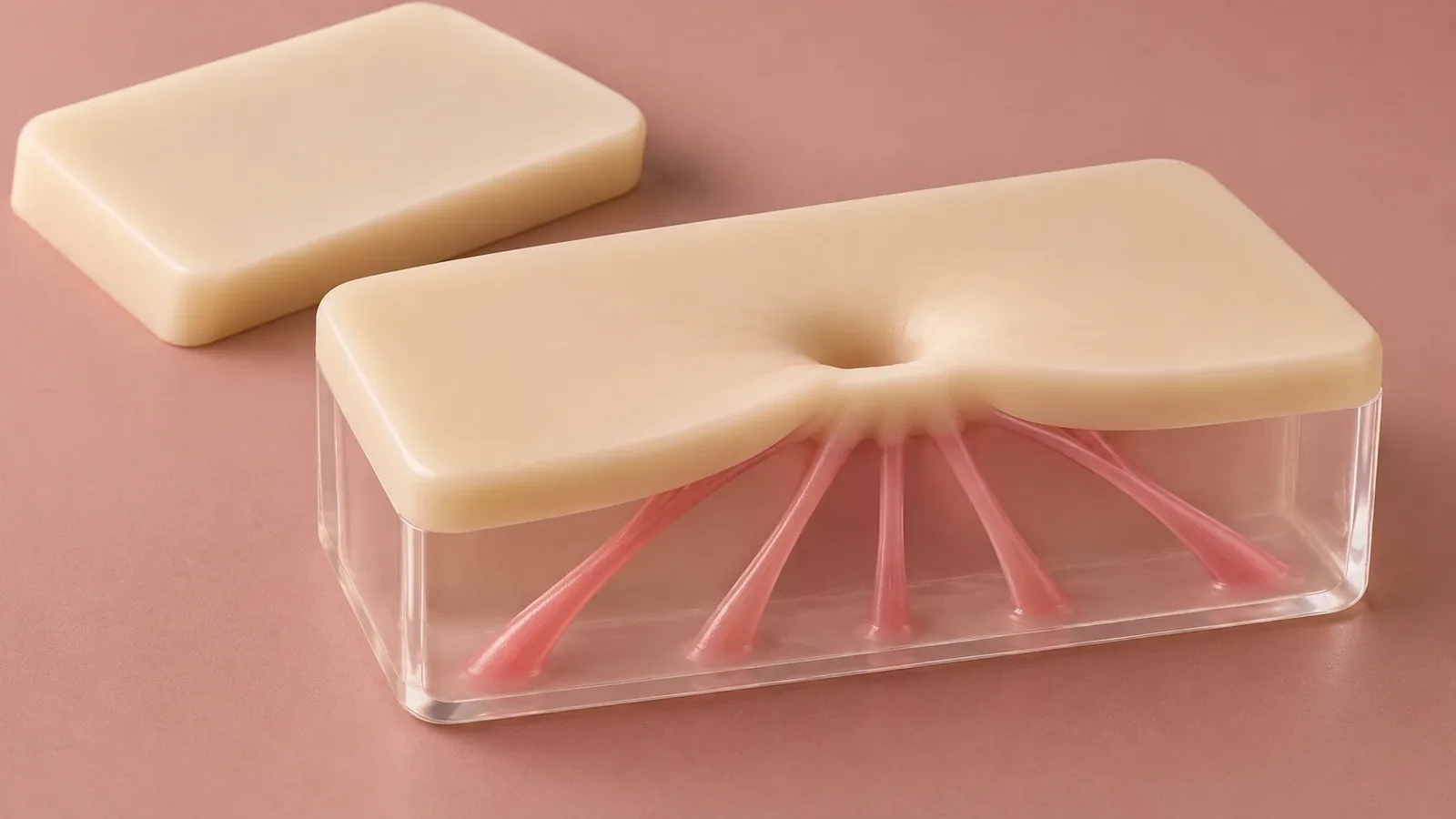
First, we check the pattern of inversion and when the change began
| Patterns to observe | Topics to discuss |
|---|---|
| Comes out easily and stays out | Current discomfort and need for correction |
| Comes out, then retracts again | Inward pull and supporting structures |
| Difficult to bring out | Fibrous tissue and duct condition, and extent of correction |
This table helps explain the degrees of inversion described in the official guide. Do not repeatedly pull on the nipple yourself to determine a grade; get examined. The two sides may differ, so each is checked separately.
For an inversion that newly appears in adulthood or a sudden change, cosmetic correction is not decided first. The clinic explains that breast evaluation may take priority in such cases.
We evaluate the relationship between the milk ducts and fibrous tissue
Inversion may be related to short ducts or pulling by the fibrous tissue underneath. After checking which tissue is affecting the current shape, the extent of releasing the pull and providing support is planned.
The officialinverted nipple guideexplains that the method differs depending on the degree and the functional plan. Do not decide based only on the goal of making the nipple project farther outward; discuss blood flow, sensation, and the possibility of recurrence as well.
If you have had a correction before, tell us the method, the course afterward, and when it recurred. Whether the same method can be repeated depends on evaluating the remaining tissue.
Understanding breastfeeding plans and the possibility of recurrence together
If you plan to become pregnant and breastfeed in the future, tell us before deciding on surgery. Even with an approach aimed at preserving the ducts, whether breastfeeding is actually possible and the outcome may vary from person to person.
Severe inversion or recurrence may require wider correction, and dividing some of the ducts can affect breastfeeding function. You should receive a thorough explanation of the differences between preserving function, the extent of correction, and the possibility of recurrence.
Even if you have already finished breastfeeding or have no such plans, explanations about sensation, blood flow, scarring, and recurrence are still necessary. Tell us which priorities matter most to you.
Prepare a recovery environment that does not put pressure on the wound
The clinic describes local anesthesia, same-day discharge, and suture removal at about 5~7 days. This is a general reference schedule and may vary depending on your condition and the extent of correction.
Choose undergarments that do not press on the nipple, and follow the prescription and wound care instructions. Make sure clothing and activities do not irritate the surgical site, and check at your visit when you can resume exercise, swimming, and activities involving friction.
Do not apply the permitted timing from the general guidance directly to all of your own activities. If you had another surgery at the same time or have a particular wound condition, you should receive guidance suited to it.
Contact us right away about changes in blood flow, pain, or the wound

Bleeding, infection, scarring or sensation changes, blood flow problems, or recurrence may occur. Before surgery, confirm the risks that apply to you and how to contact the clinic.
If pain worsens, or you notice unexpected changes such as color change, redness, warmth, or discharge, contact the clinic to be evaluated. Do not assume it is just friction or part of the recovery process, and do not repeatedly pull on it at home.
At follow-up visits, the wound, shape, and any functional discomfort are checked together. The need for additional care or revision is decided by looking at your actual condition, and what is included and the cost are also discussed.
Frequently Asked Questions
How is the degree of inversion classified?
We evaluate how far it comes out, whether it stays out, and the tissue underneath. Rather than judging it yourself, it is necessary to have both sides checked at an examination.
If one side suddenly retracts, can I still get cosmetic correction?
A newly developed or sudden change may call for breast evaluation first. Please tell us when it began and any accompanying symptoms first.
If the ducts are preserved, is breastfeeding always possible?
Even when the aim is to preserve function, actual breastfeeding results vary from person to person. The degree of inversion and the extent of correction should be discussed together.
Does the method change for severe inversion or recurrence?
The extent is decided after checking the remaining tissue and the pull. Ask to have the differences in their effect on function and the possibility of recurrence explained.
Can I exercise right away?
You need to check the guidance that fits your actual wound and any accompanying surgery. Ask separately about activities that involve pressure and friction.
What should I do if the color changes or pain increases?
Contact the clinic to be evaluated. Do not assume it is part of recovery, and do not touch or pull on it on your own.
Amorata Plastic Surgery Consultation Information
Discuss your inversion pattern and functional plan with Han Seung-beom, Lead Surgeon and Board-Certified Plastic Surgeon. Location: 3F Square Cube, 28 Seocho-daero 78-gil, Seocho-gu, Seoul. Phone: 02-522-0955.
Open weekdays 10:00~18:30 and Saturdays 10:00~16:00; closed on Sundays and public holidays. Please bring your previous correction history and breastfeeding plans when you visit.
Inverted Nipple Correction Consultation