


Breast Augmentation and Breast Surgery
Breast Augmentation and Breast Surgery: What Should You Base Your Decision On?
1-minute walk from Gangnam Station Exit 5 · Amorata Plastic Surgery · Lead Surgeon Han Seung-beom (Board-Certified Plastic Surgeon)
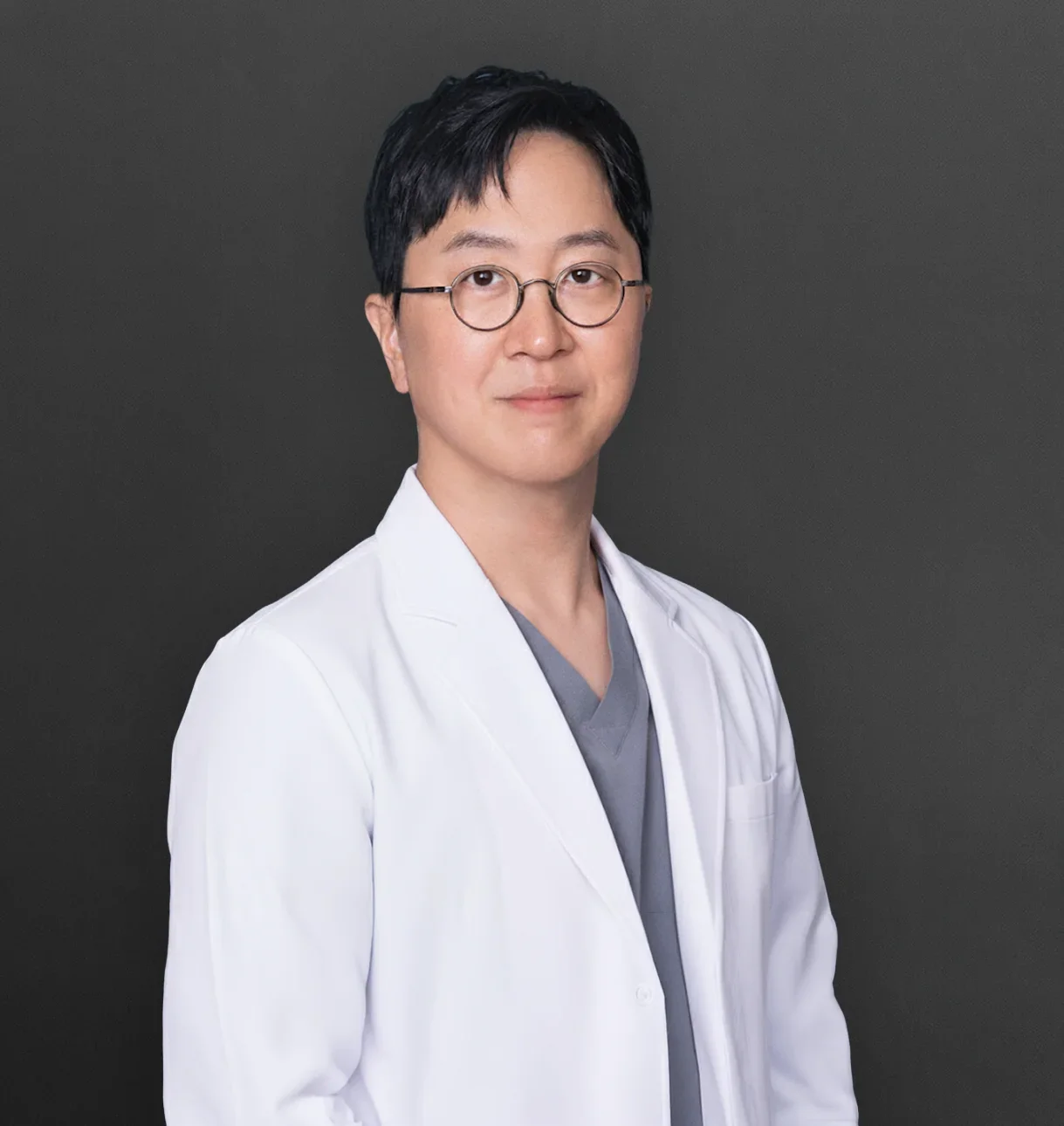
Breast augmentation is a surgery that adjusts the volume and shape of the breasts using implants and other methods, while breast surgery is a broader term that includes lift, reduction, cleavage surgery, nipple surgery, and revision surgery in addition to augmentation. Which approach is suitable depends on breast width, the condition of the skin and tissue, and the shape you want, so analyzing your body type comes before implant brand or cc numbers. At Amorata Plastic Surgery, Lead Surgeon Han Seung-beom is personally involved from consultation through surgery and recovery.
How do breast augmentation and breast surgery differ?
Breast augmentation is a surgery in which implants are inserted to increase breast volume and refine the upper breast and the overall shape. It is also called breast augmentation or augmentation mammaplasty. Implants are not simply a material that sets size; they also affect breast width and height, projection, upper breast volume, feel, and movement.
Breast surgery is a broader term. A lift that raises sagging breasts, reduction that decreases size, cleavage surgery that creates the cleavage line, nipple surgery that refines nipple shape, and revision surgery that readjusts a previous operation all fall under breast surgery. Among these, Amorata Plastic Surgery treats breast augmentation, cleavage surgery, and nipple surgery as its main procedures.
In some cases, implants and Fat Grafting to the cleavage area are planned together. For this reason, breast augmentation alone may not resolve every concern, and which combination is needed must be confirmed in person at the clinic.
When do people start a consultation for breast augmentation?
Some people start a consultation because their breast volume is small and they feel dissatisfied when dressed, because volume has decreased with age or weight changes, or because they are bothered by differences between the two sides. If you have a slim body type or thin breast skin and fat and are worried about choosing an implant, we also review this together in the consultation.
If the breasts are sagging, you first need to check whether augmentation alone is enough. Whether a breast is 'sagging' or 'deflated' can be estimated from the positional relationship between the nipple and the inframammary fold, and depending on the degree of sagging, whether to place implants only or also consider a lift may differ. Self-assessment is for reference only; an accurate judgment is made at the examination.
- Breast base width and rib cage shape
- Skin thickness and elasticity
- Amount of breast tissue
- Positional relationship between the nipple and the inframammary fold
- Desired breast shape (natural line, upper breast volume, etc.)
How are the implant and surgical method decided?
Implant selection does not start from brand and volume. We approach it in this order: body type analysis, checking breast tissue and skin condition, setting the desired breast shape, and determining the implant's width, height, and projection. Even at the same volume, the suitable implant may differ depending on whether the breast is wide or narrow, whether the skin is thin, and whether there is enough breast tissue. So after body measurements and implant fitting, we decide together in the consultation, with the emphasis on harmony rather than size.
Implants are chosen to suit your body type from among several types, including silicone gel implants such as MENTOR MemoryGel and MemoryGel Xtra. Because a particular brand or new product does not produce the same result for everyone, the criterion is whether it suits your own breast width and tissue condition.
The surgical method is decided as well. In the subfascial method, the implant is placed beneath the membrane covering the muscle; in the dual plane method, the upper part of the implant is placed under the muscle and the lower part under the breast tissue. The pros and cons of each method are applied differently depending on skin thickness, amount of tissue, and lifestyle.
- Placement plane: subfascial, dual plane, etc.
- Incision location: inframammary fold, armpit, etc.
- Implant size: check chest and breast width and skin thickness before cc
- If cleavage is a concern, consider whether to combine implants with Fat Grafting to the cleavage area
How does recovery after surgery proceed?
After surgery, swelling, bruising, and a feeling of tightness and stiffness in the breasts may appear. While the implants settle into place, the shape and feel of the breasts also change gradually. Recovery speed and the time to return to daily life vary greatly depending on the surgical method and individual condition, so it is difficult to give a uniform timeframe; this is explained in the consultation.
During recovery, wound care, activity restrictions, and scheduled follow-up checks are important. Exercise that involves large arm movements and activities such as lifting heavy objects should be adjusted according to the medical team's instructions.
Many people also wonder about the timing of surgery. The reasons some people prefer winter surgery and seasonal recovery tips are summarized in a column by Lead Surgeon Han Seung-beom. In any season, consistent wound care and follow-up checks are the foundation.
What are the side effects and precautions of breast augmentation?
Breast augmentation is a surgery that places implants inside the body, so, as with any surgery, it carries risks. The items below are things you should hear fully explained and understand before surgery, and the likelihood and severity of occurrence differ from person to person.
Implants are not a one-time, finished matter; their condition must be checked even after surgery. Various things are said about when to replace them, so rather than counting only the years, it is better to discuss based on whether there are any warning signs and on condition checks such as regular ultrasound examinations. If you have sudden swelling, enlargement of only one side, a feeling of heat, or severe pain, contact the clinic right away instead of waiting.
Please be sure to tell us before surgery whether you smoke, any medications you are taking, and any underlying conditions. Depending on this information, whether surgery is possible and the method may differ.
- Hematoma: A condition in which blood collects at the surgical site, causing swelling and pain; prompt response is needed.
- Infection and wound problems: Prevented and monitored through wound care and follow-up checks.
- Capsular contracture: The membrane around the implant may become hard, which can change the feel or shape.
- Asymmetry and implant position change: May appear during the recovery process or afterward.
- Sensation changes: Sensation in the nipple or breast skin may change.
- Scarring: A scar remains at the incision site, and its degree differs depending on the individual and the incision location.
Criteria to check in a consultation and Amorata Plastic Surgery's approach to care
Based on 20 years of practice focused on breast surgery, at Amorata Plastic Surgery, Lead Surgeon Han Seung-beom (Board-Certified Plastic Surgeon) is personally involved from consultation through surgery and recovery. Because every body is different and the shape each person wants is different, our basic approach is to find a different answer together with each patient. Director So-young Park (Board-Certified Anesthesiologist and Pain Specialist) also sees patients, and the anesthesia method is confirmed in the consultation.
Whichever clinic you consult, we recommend asking about the items below. Surgery cost varies depending on the type of implant, the surgical method, anesthesia, and whether accompanying procedures such as Fat Grafting to the cleavage area are included, so it is provided after the consultation.
The clinic is located on the 3rd floor of Square Cube, 28 Seochodae-ro 78-gil, Seocho-gu, Seoul, a 1-minute walk from Gangnam Station Exit 5. Office hours are Mon–Fri 10:00–18:30 and Sat 10:00–16:00.
- Who is in charge from consultation through surgery and recovery care
- Whether the implant is chosen after body measurements and implant fitting
- Whether side effects and the possibility of revision surgery are explained along with the benefits
- Follow-up checks after surgery and how emergencies are handled
- What items the cost consists of
Frequently Asked Questions
Are breast augmentation and breast surgery the same thing?
Breast augmentation is one of the surgeries that fall under breast surgery. Breast surgery also includes lift, reduction, cleavage surgery, nipple surgery, and revision surgery in addition to augmentation. Which surgery is needed depends on the condition of your breasts and the shape you want, so it is confirmed in the consultation.
Can I choose an implant by size (cc) alone?
No. Even at the same volume, the suitable implant may differ depending on breast width, skin thickness, and the amount of breast tissue. After body measurements and implant fitting, width, height, and projection are decided together, with the emphasis on harmony rather than size.
Is breast augmentation possible for sagging breasts?
Depending on the degree of sagging, implants alone may be possible in some cases, while in others a lift needs to be considered together. The method is decided after an in-person examination, including the positional relationship between the nipple and the inframammary fold. It differs from person to person, so a consultation is needed.
How much does breast augmentation cost?
Cost varies depending on the type of implant, the surgical method, anesthesia, and whether accompanying procedures such as Fat Grafting to the cleavage area are included. It is provided after the consultation, once your condition has been checked at an examination. You are also welcome to inquire first by phone or KakaoTalk.
How long does it take to return to daily life after surgery?
Recovery speed varies greatly depending on the surgical method, individual condition, occupation, and activity level. Swelling, bruising, and a tight feeling may change as recovery progresses. A specific schedule is provided in the consultation after checking your lifestyle pattern.
Are regular check-ups needed after surgery?
Implants need to have their condition checked even after surgery. It is important to look for any warning signs and to examine the condition of the implant through check-ups such as ultrasound. The check-up interval and method differ depending on individual condition and are explained at the examination.
How do I request a consultation?
You can inquire by phone (02-522-0955), through the KakaoTalk channel, or by submitting a consultation request on the website. Office hours are Mon–Fri 10:00–18:30 and Sat 10:00–16:00. At an in-person consultation, we check your body type and breast tissue condition directly.
Amorata Plastic Surgery Clinic Information
- Address
- 3rd Floor, Square Cube, 28 Seochodae-ro 78-gil, Seocho-gu, Seoul
- Directions
- 1-minute walk from Gangnam Station Exit 5
- Phone
- 02-522-0955
- Office Hours
- Mon–Fri 10:00–18:30 · Sat 10:00–16:00
- Medical Team
- Lead Surgeon Han Seung-beom (Board-Certified Plastic Surgeon) · Director So-young Park (Board-Certified Anesthesiologist and Pain Specialist)
Find out in a consultation which method suits your breasts
After directly examining your body type and tissue condition, we explain the available methods and precautions. You can inquire by phone (02-522-0955) or KakaoTalk.
Request a ConsultationThis page provides general medical information. Results of procedures and surgery, the recovery process, and side effects may vary from person to person, so please decide after consulting with the medical team.