

One of the most frequent questions we hear in our consultation room is:
"Can consistent exercise restore the lost volume in my upper breasts?"
To start with the conclusion, it is difficult to regenerate diminished breast tissue through chest exercises alone.
However, by developing the muscles beneath the breasts and correcting daily posture and bra-wearing habits,
the hollow appearance of the upper pole can be mitigated to a certain extent.
In today's column, we will explore the causes of hollow breasts,
the realistic scope of improvement achievable through exercise and lifestyle habits, and when a surgical approach may be necessary.
1. Causes of a Hollow Upper Pole ("Deflated Breasts")
A hollow appearance in the upper breasts typically occurs when internal breast tissue diminishes after childbirth and breastfeeding,
or following rapid weight loss using GLP-1 receptor agonists such as Wegovy or Mounjaro.
Medically, this refers to a state where the nipple position remains above the inframammary fold,
yet the volume in the upper pole appears noticeably sunken or deflated.
In other words, it is not "true breast ptosis" where the skin is severely stretched and sagging downward;
rather, the internal volume that once filled the breast has been lost.
The glandular tissue that expanded for lactation largely returns to its original size after weaning.
If internal volume decreases while the stretched skin envelope remains, the upper breast naturally begins to look empty.
The same applies to sudden weight loss through dieting.
Because a significant portion of the female breast consists of adipose (fat) tissue,
a reduction in overall body fat inevitably leads to a loss of breast volume as well.
2. Real Benefits and Clear Limitations of Chest Exercises
Chest exercises cannot replenish glandular or fat tissue itself.
This is because female breasts consist predominantly of glandular and adipose tissues, with minimal muscle tissue within the breast itself.
Resistance exercises such as push-ups or chest presses do not develop breast tissue;
instead, they target the "pectoralis major" muscle situated directly beneath the breasts.
This does not mean exercise is entirely without merit.
When the pectoralis major—particularly the clavicular head in the upper chest—thickens, it elevates the foundational base supporting the breasts,
which can help make the upper breast contour appear less hollow.
Furthermore, incorporating back-strengthening exercises to open rounded shoulders and correct posture
naturally expands the ribcage, helping the overall breast silhouette appear firmer and more prominent.
In summary, while exercise cannot enlarge actual breast size,
it can certainly refine the foundational support beneath the breasts and cultivate posture that enhances a beautiful silhouette.
3. What Can Be Managed with Proper Bras and Weight Maintenance
Supportive and functional bras complement your external silhouette, but they do not increase true volume.
Padded bras help naturally fill out empty space when wearing clothes.
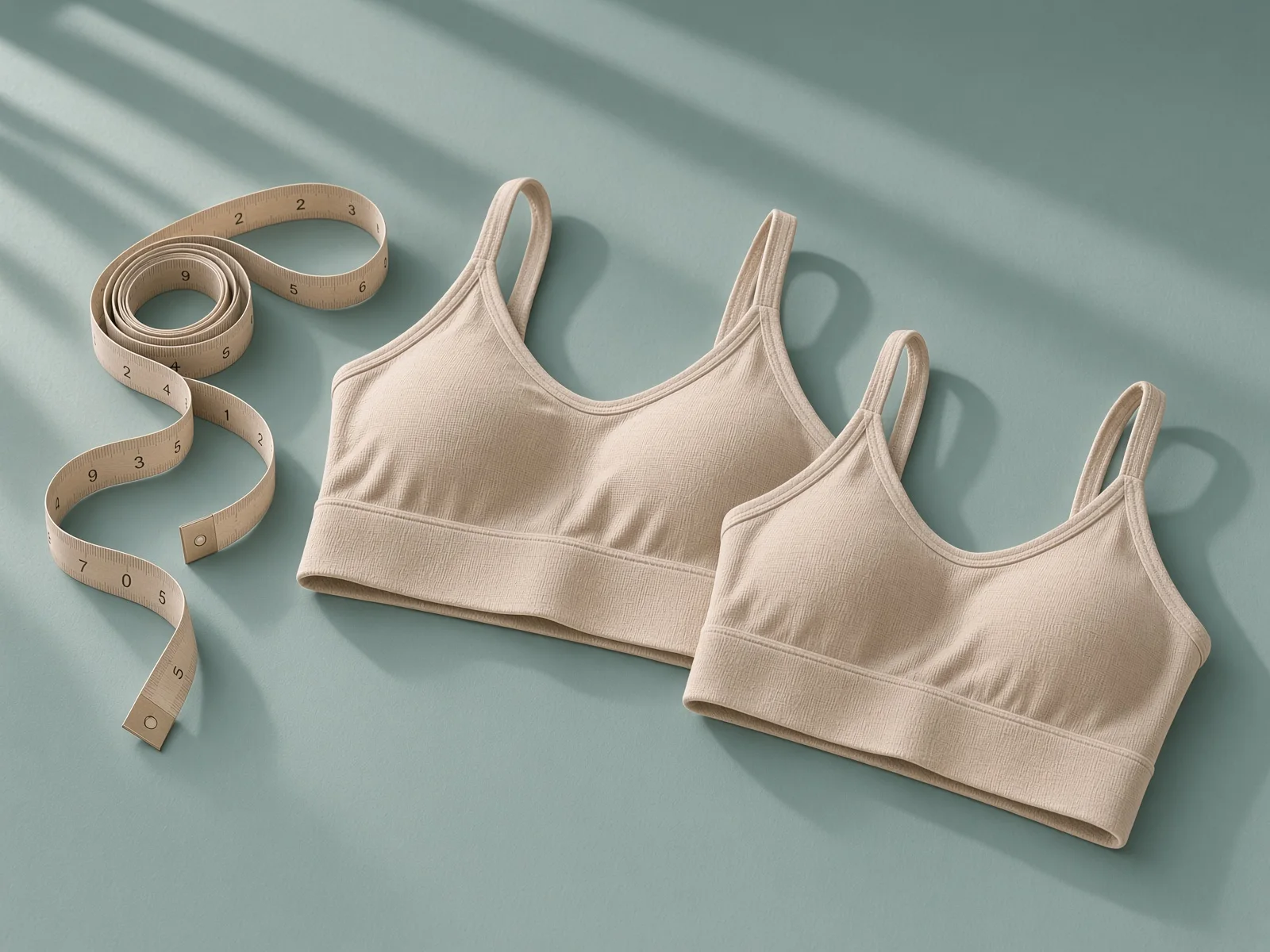
Conversely, wearing an incorrect bra size can cause gaps at the top of the cups,
which can inadvertently accentuate the hollow area; therefore, an accurate professional fitting is essential.
From a lifestyle standpoint, maintaining a stable weight and avoiding rapid fluctuations is key.
Repeated cycles of rapid weight loss and yo-yo dieting deteriorate skin elasticity, which can eventually progress to
"true ptosis (sagging breasts)" where the nipple position gradually descends downward.
Please note that there is no clinical evidence to support claims that commercial breast enhancement creams, massage techniques, or specific dietary supplements
can increase breast volume.
4. When to Consider Surgical Correction
If the lack of upper breast fullness consistently causes concern in your daily life
or you feel stressed because your favorite clothes no longer fit as they once did, surgical options can be considered.
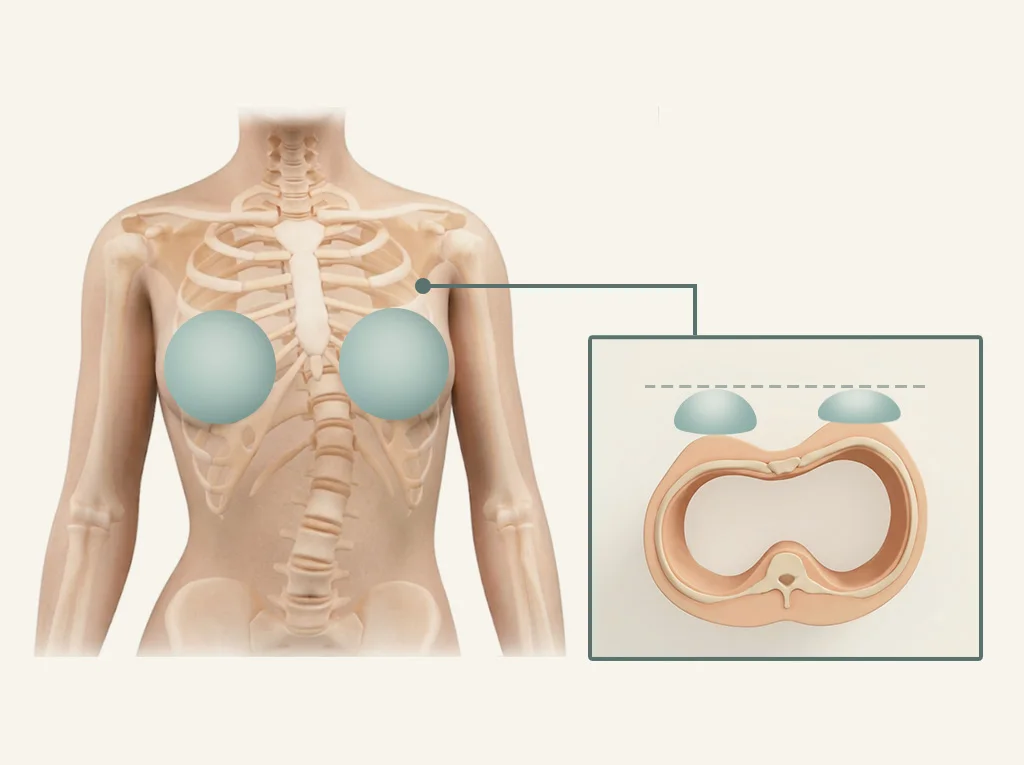
Fortunately, in cases of simple volume depletion where the nipple remains properly positioned above the fold,
restoring the lost volume without skin-excising mastopexy (breast lift) can often successfully recover a balanced, beautiful shape.
In particular, individuals who naturally possessed adequate breast tissue retain sufficient tissue coverage.
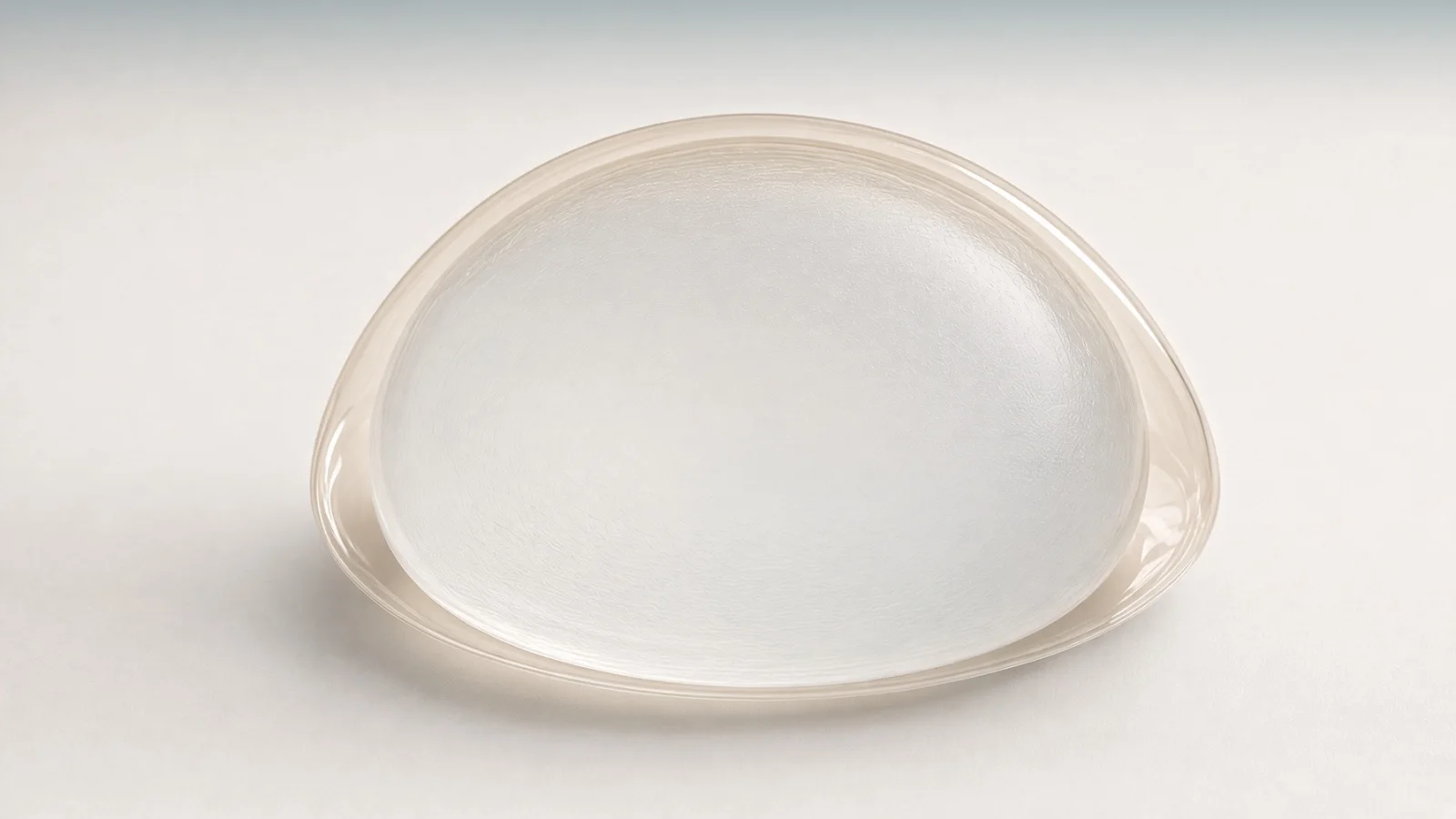
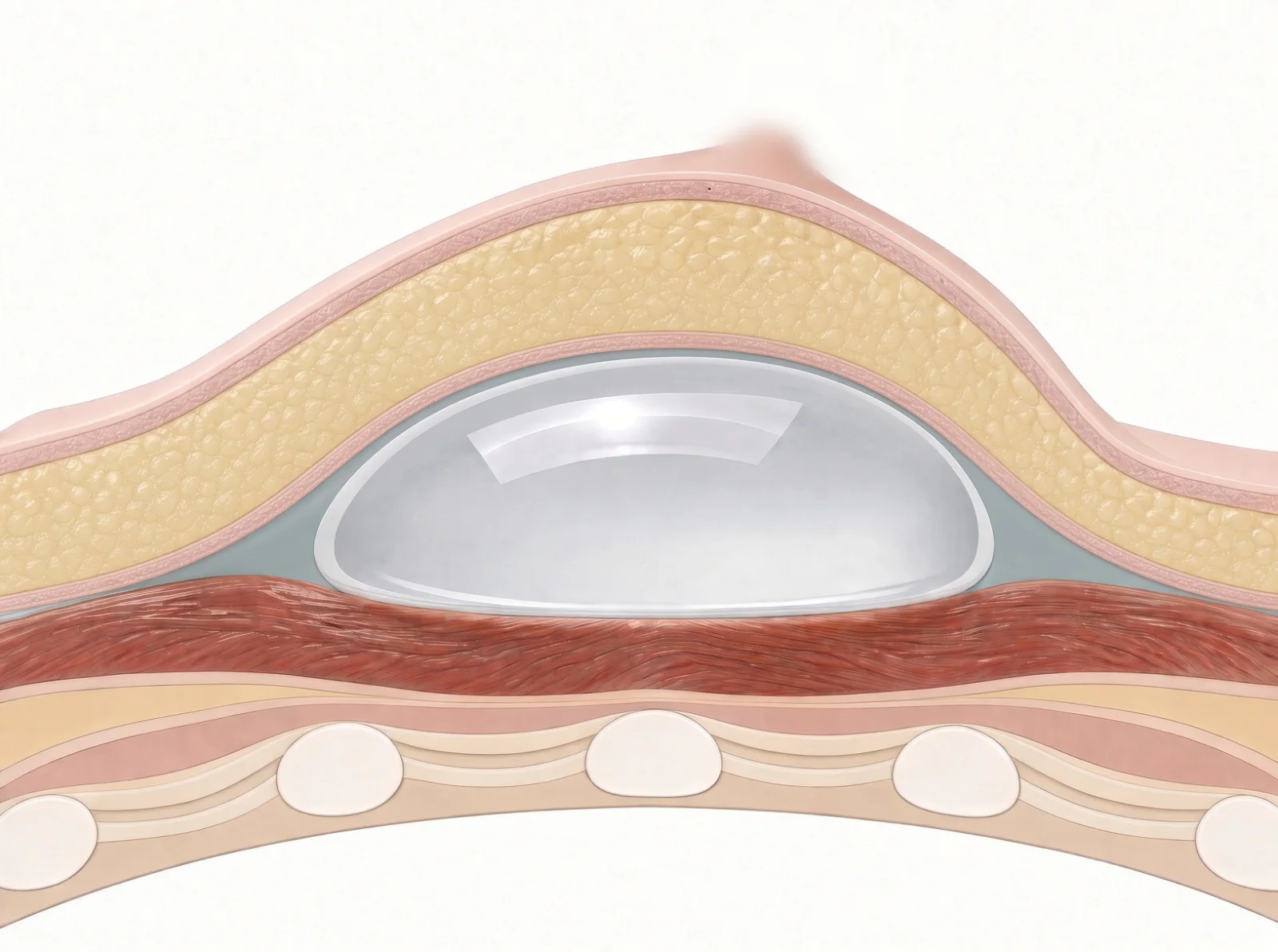
In such cases, a "subfascial" approach—rather than placing the implant beneath the muscle via a dual-plane technique—
can provide a soft, natural feel, rapid recovery, and an organic contour without looking artificial.
However, if you are planning future pregnancies or have finished breastfeeding less than 6 months ago,
it is advisable not to rush into surgery.
It takes at least 6 months following weaning for the involution of mammary glandular tissue and weight fluctuations to stabilize,
allowing the true size and shape of your breasts to settle.
4-Point Checklist Before Your Consultation
- Current Anatomical Diagnosis: Whether the nipple is positioned above the inframammary fold (simple volume depletion vs. accompanied ptosis)
- Pregnancy & Lactation History: Future pregnancy plans and time elapsed since concluding breastfeeding
- Weight Stability: Whether there have been significant weight fluctuations over the past year
- Specialist's Consultation Approach: Whether the surgeon objectively explains the realistic limits achievable without surgery first
A plastic surgery specialist focusing extensively on breast surgery
should be able to clearly identify what non-surgical approaches can achieve in your current condition,
and whether you have reached a stage where surgical intervention is genuinely indicated, before recommending any procedure.
Related procedure